Introduced GeckoTerminal’s short term design improvements, and long term product design strategy.
Strategy
 CoinGecko · 2023 - Present

Being the first designer to work on GeckoTerminal meant I had to come up with a strategy to make sure design had a long term impact in GeckoTerminal.
In this case study, I reflect on how design was introduced with to a team, aligning the entire team’s design goals, creating a design system from scratch, the wins and losses and how I would have done things differently.
Yuan Jie · Product Designer
Rachel · Software Engineer
Sammie · Mobile Engineer
Grace · User Researcher
Rohan · Lead Product Designer
Outcomes
Introduced GeckoTerminal’s short term design improvements, and long term product design strategy.
Strategy
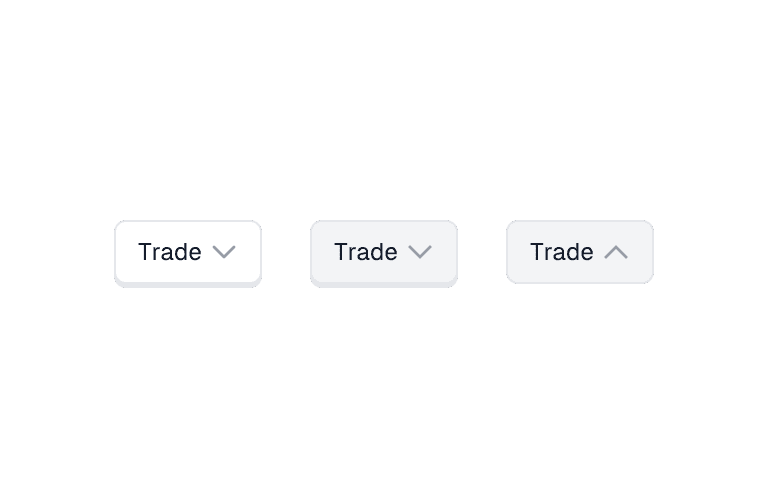
Built a App and Web Design System from 0 to 1. Has more than 180 components to date, connected to Figma Code Connect and Storybook.
Design System
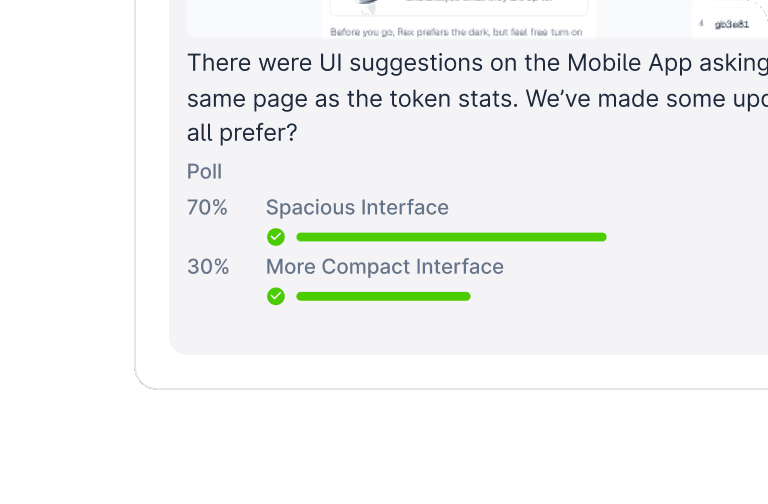
User panel, GLUE, eventually became a 100 user panel dedicated to providing feedback to CoinGecko’s product.
User Panel
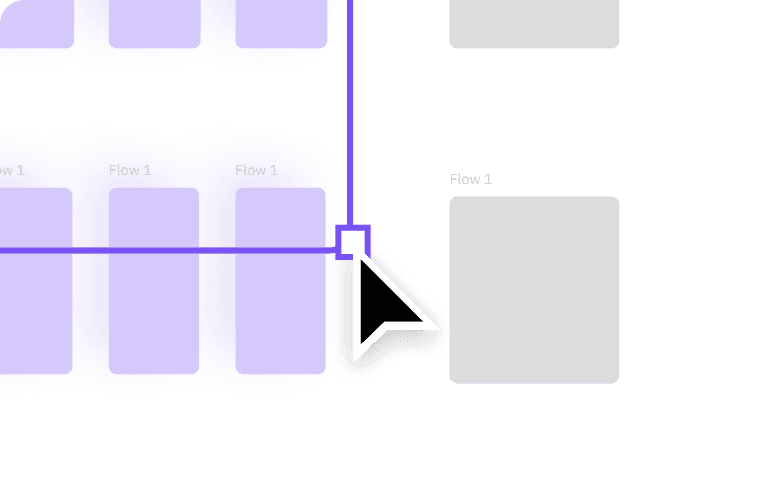
Reduced Engineer and Designer feedback loop through consistent handoffs.
Collaboration
Shipped at least 25+ design-led product initiatives, from proposal to production.
User Panel
Eventually designers fixed UX paper cuts directly on codebase.
Code
Introduction
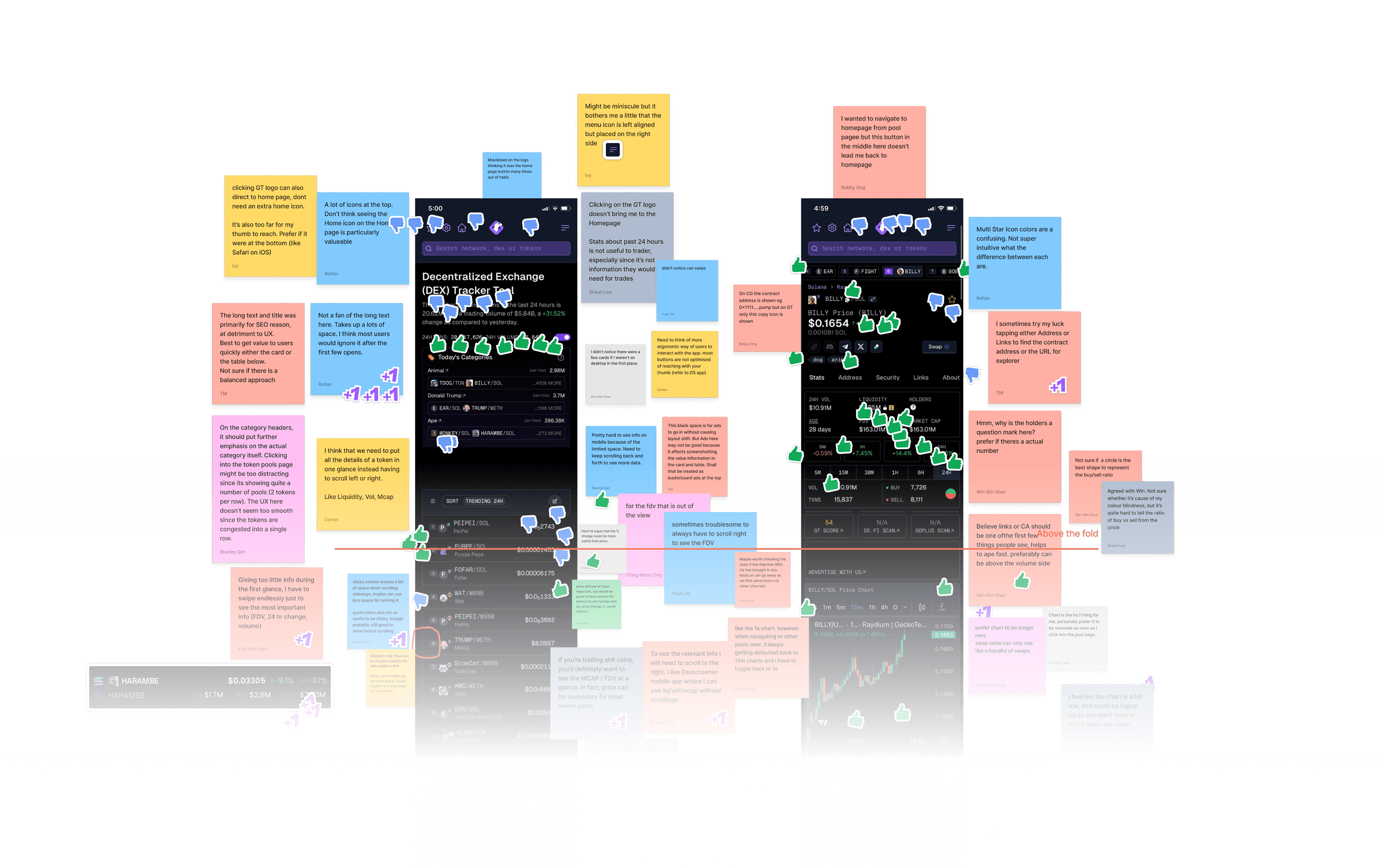
I started by aligning the team on what needed to be fixed to draft a design strategy. To do that, I facilitated a large-scale design critique with ~30 cross-functional stakeholders, to surface recurring pain points across the product.
This, combined with some competitor analysis helped us chart how design could be used as a differentiator.
This also helped identify a set of high-impact, low-effort improvements - ranging from visual hierarchy issues to inconsistent interaction patterns - that were slowing users down.
💸
Our Goal
After speaking with more and more degens, and being a degen myself. We noticed there was never one set rule where people traded. In fact, some traders even contradicted each other.
One point was clear, that all of them thought they were fortune tellers (one who could see the future clearly), and used on-chain information to help them disprove or prove that ideal.
We noticed that the key factor of building a great web3 product is:
Helping traders make money
Helping traders lose less money
So how can design achieve that?
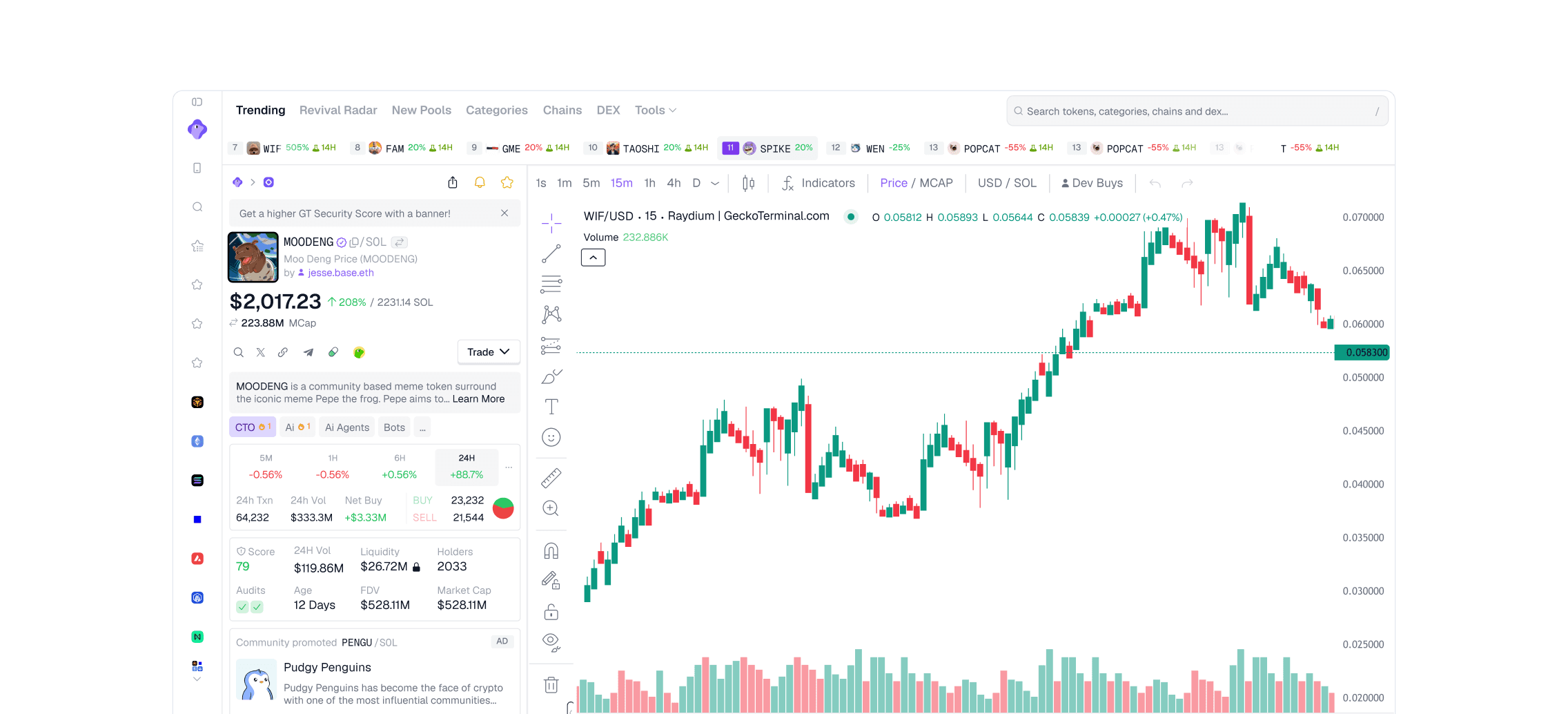
A good design helps traders make crucial on-point decisions to achieve those goals. Hence, to make GeckoTerminal useful, we had to prioritise fast and clear visualisation of information. Essentially, to help each trader see more about each other.
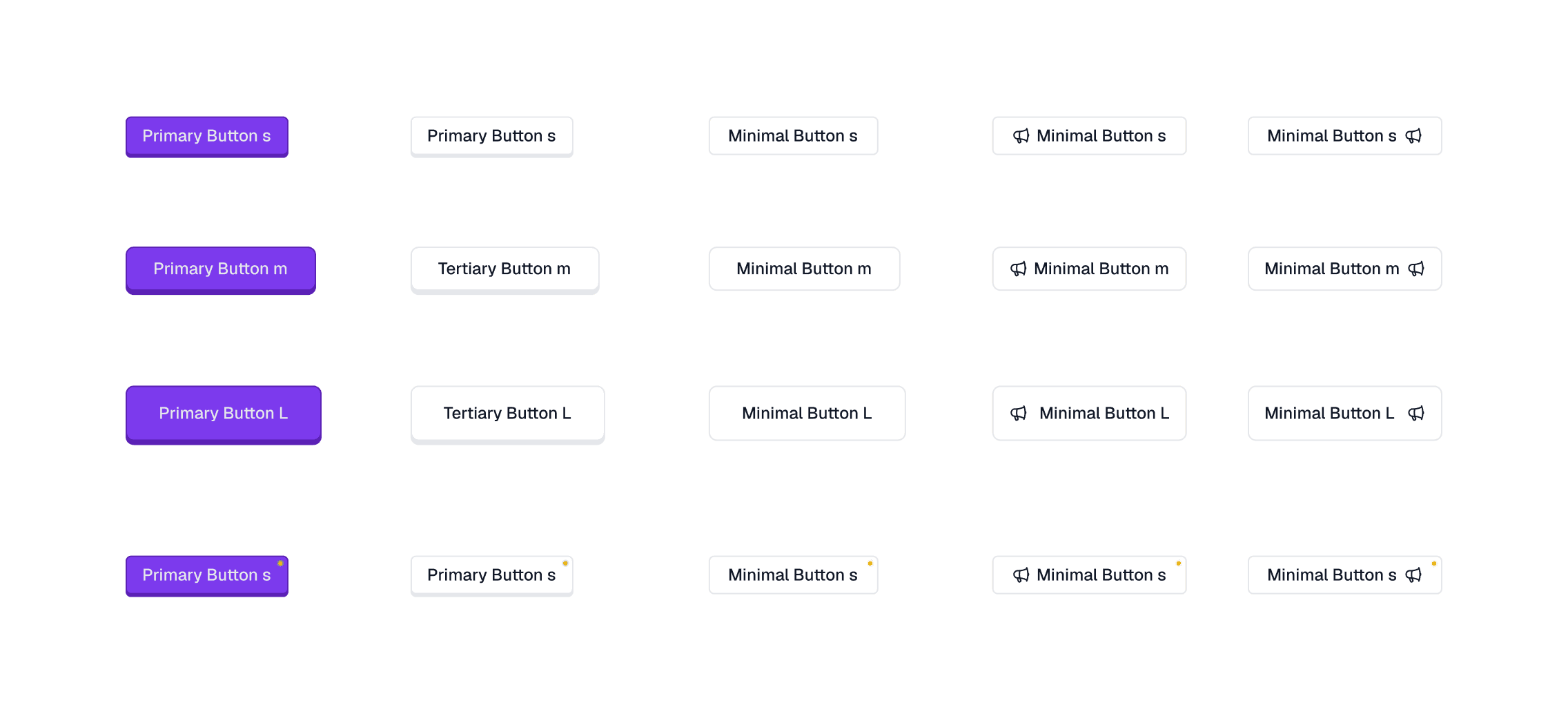
Our first step? To clean up our old interface and introduce a design system. We call it Neptune as an homage to our other design system called Moon Design System.
Collaboration
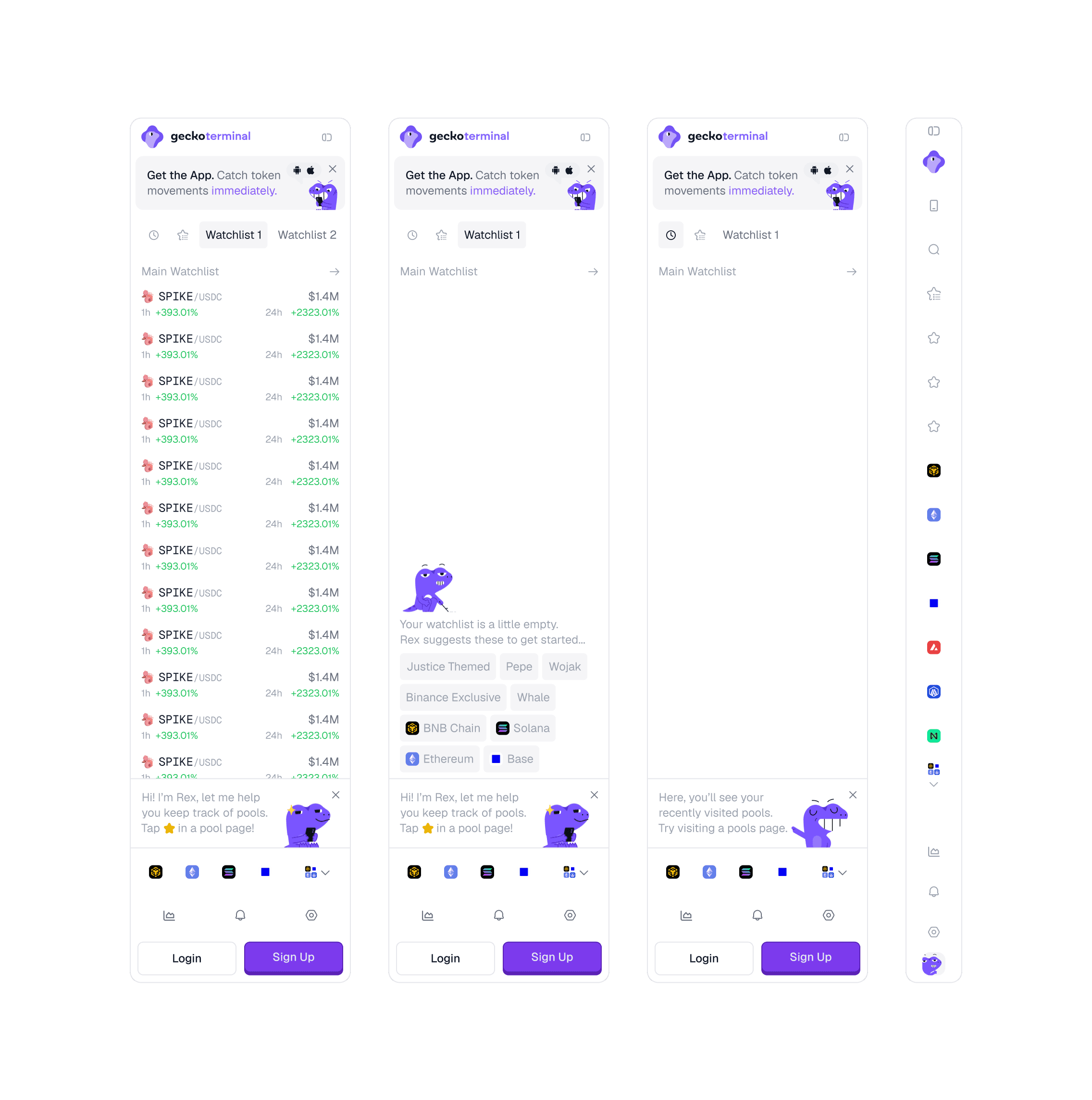
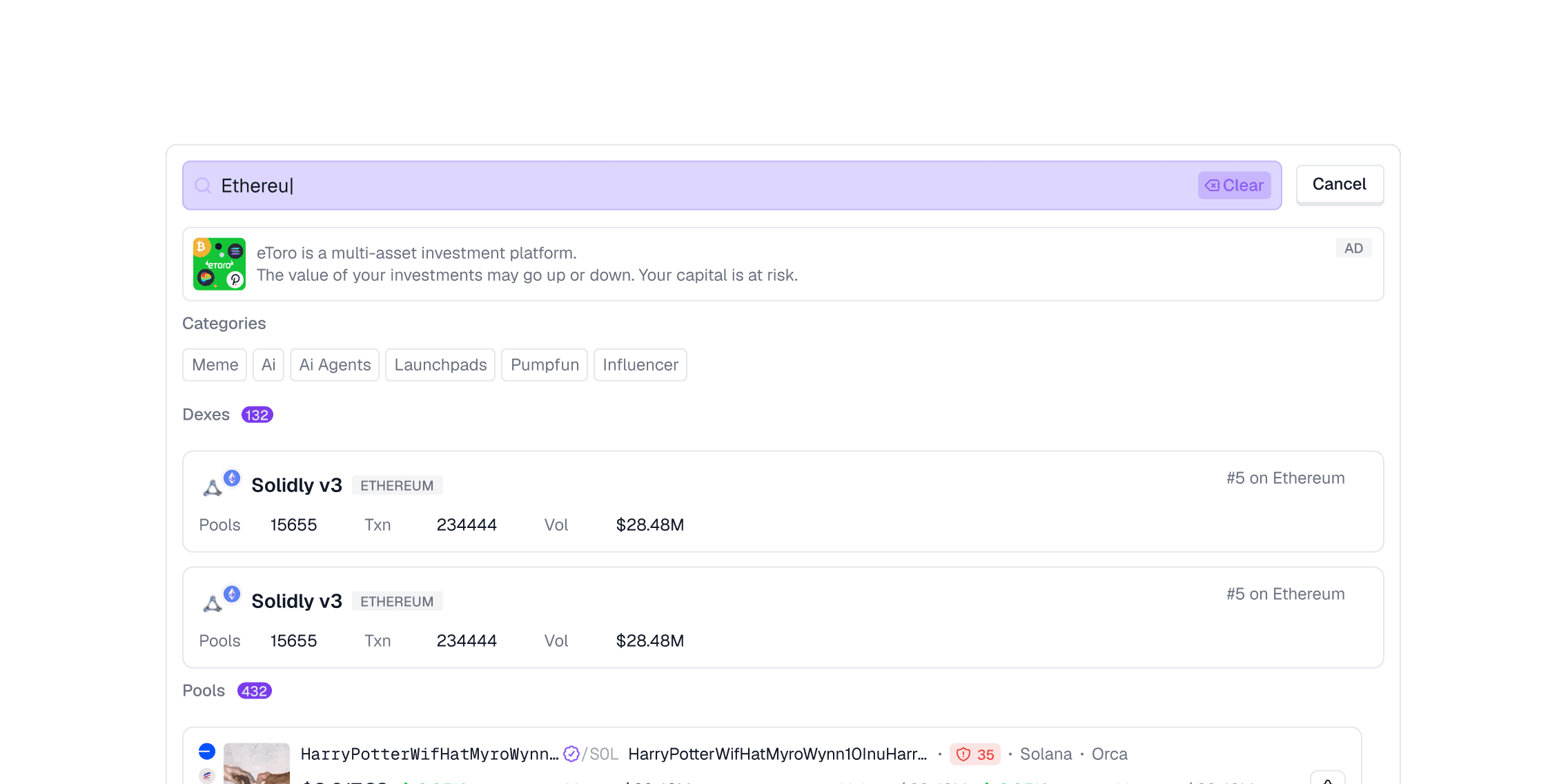
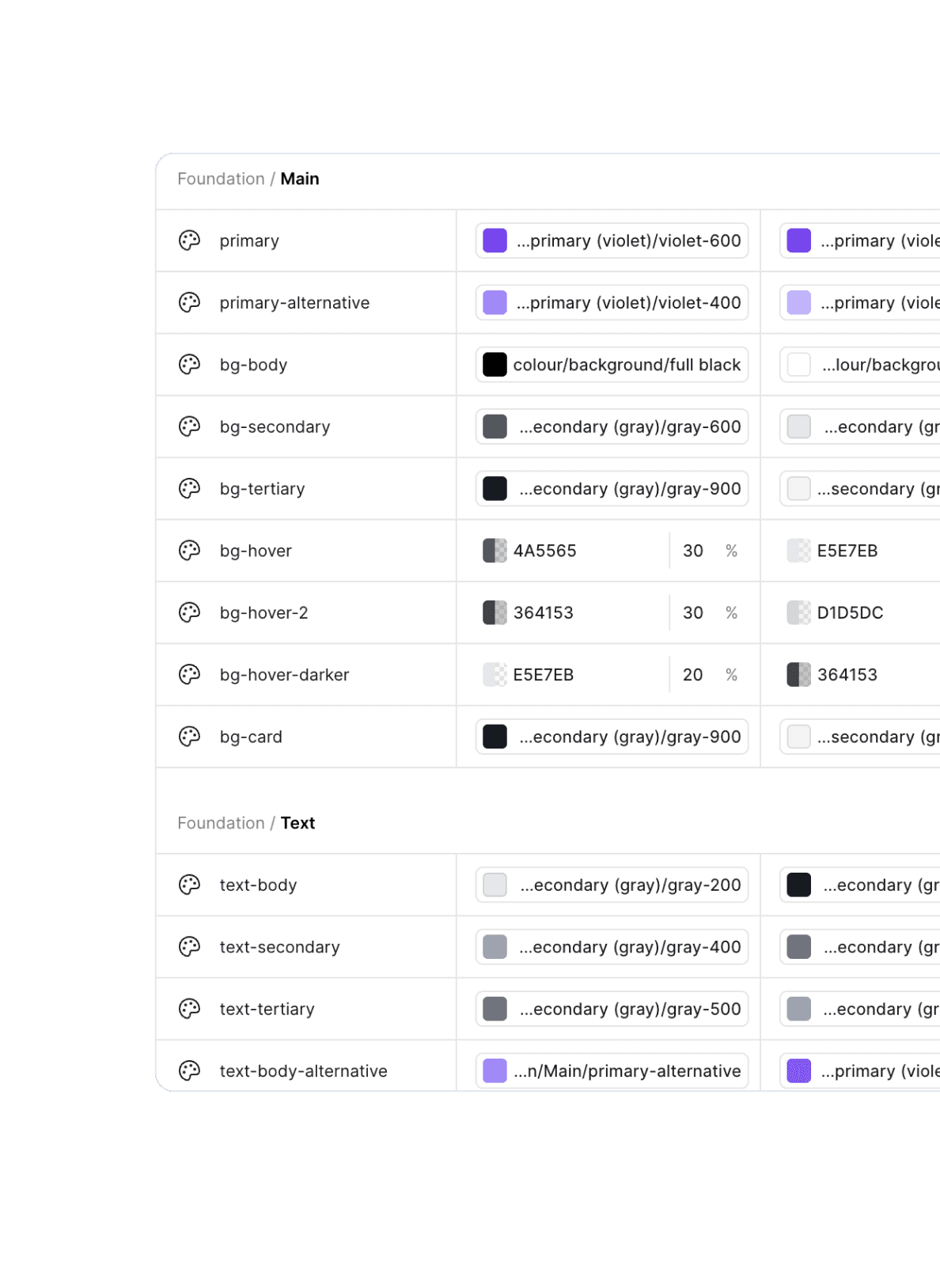
Introduced Neptune in Figma as a single source of truth for both App and Web.
Mapped colors to tokens that match Tailwind CSS classes.
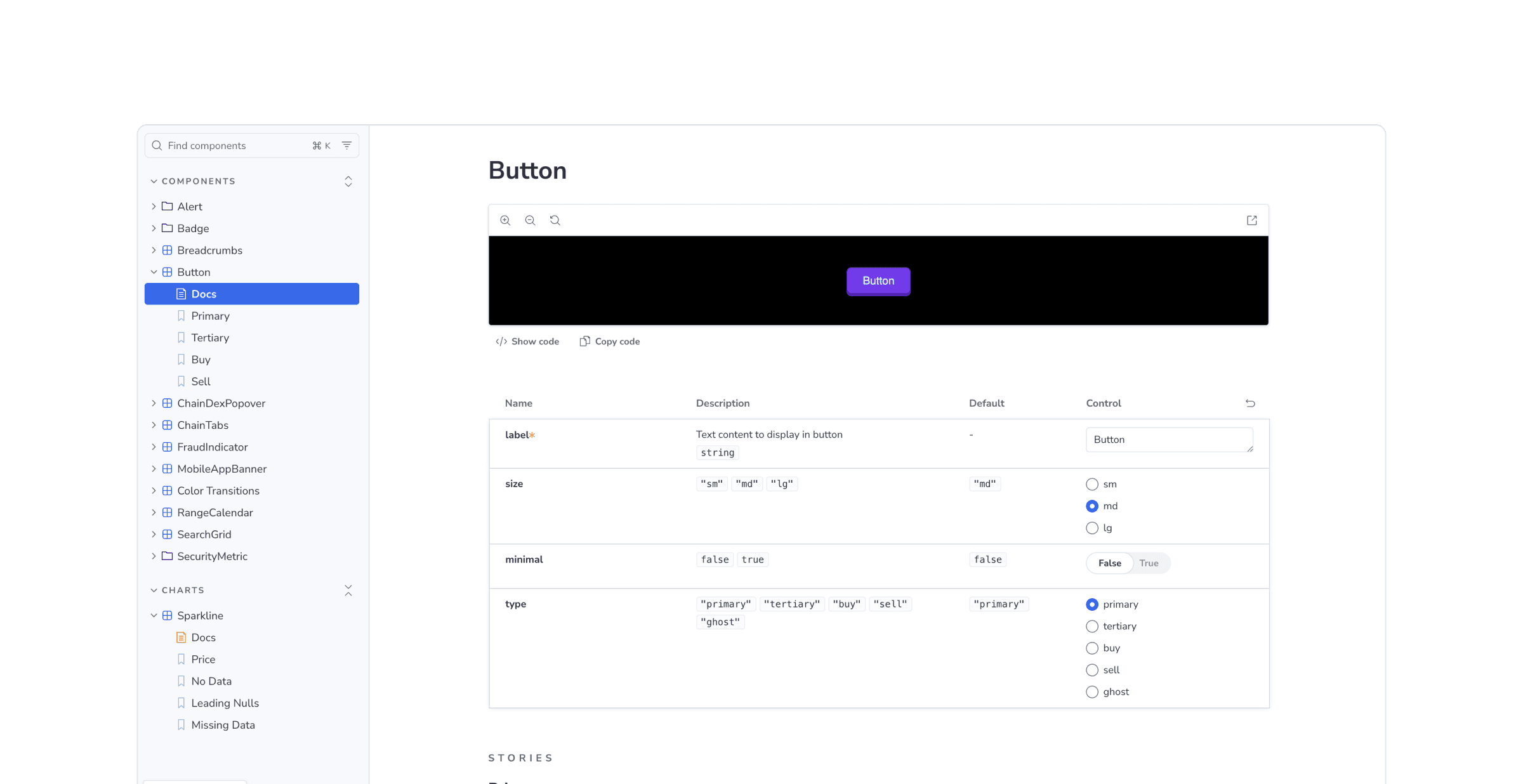
Modernised components with Figma Slots to match how engineers build components.
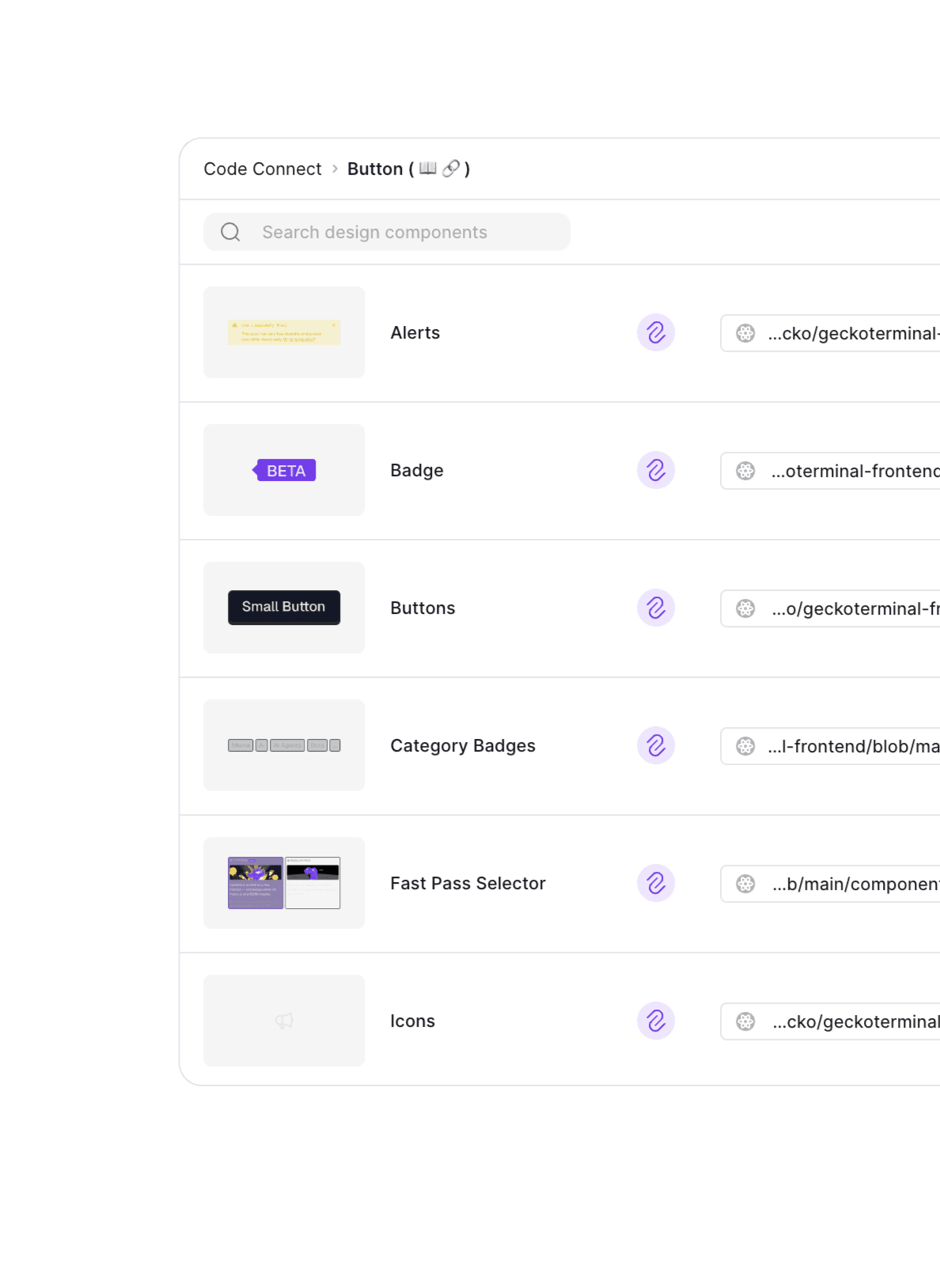
Explored Code Connect across Neptune components for design-to-code translation and agentic design workflows.
Improved handoff clarity and reduced UI inconsistencies.
Implementation
GeckoTerminal was not redesigned in one sweeping visual refresh. Instead, we improved the product in phases, starting from the surfaces traders depended on most.
This meant that the team could still focus on building other product features while design was being introduced.
Web Design System
Minor Pages
2023 H2 Focus
Pool Tables
Major RedesignHolder Tables
Major Pages
2024 H1 Focus
New Mobile App
Major RedesignApp Design System
Dark/Light Mode
2024 H2 Focus
Pool Page
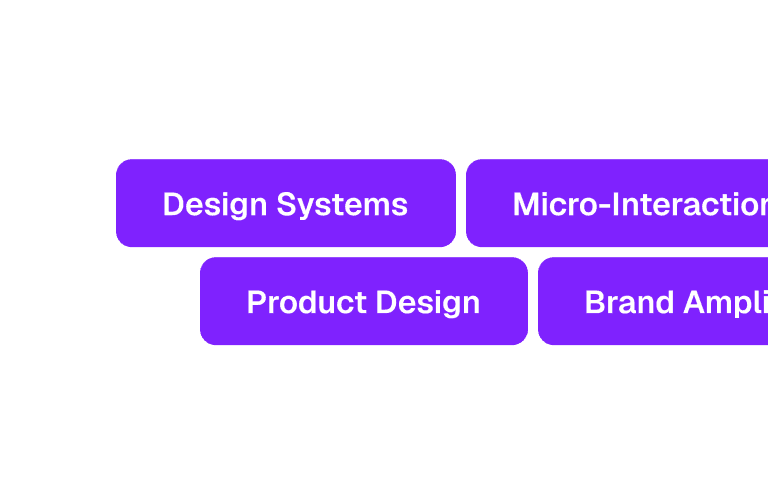
Major RedesignWeb Micro-Interactions
Landing Pages
2025 H1 Focus
Sidebar
Major RedesignApp Micro-Interactions
Watchlist
2025 H2 Focus
Secret Stuff!
2026
Community
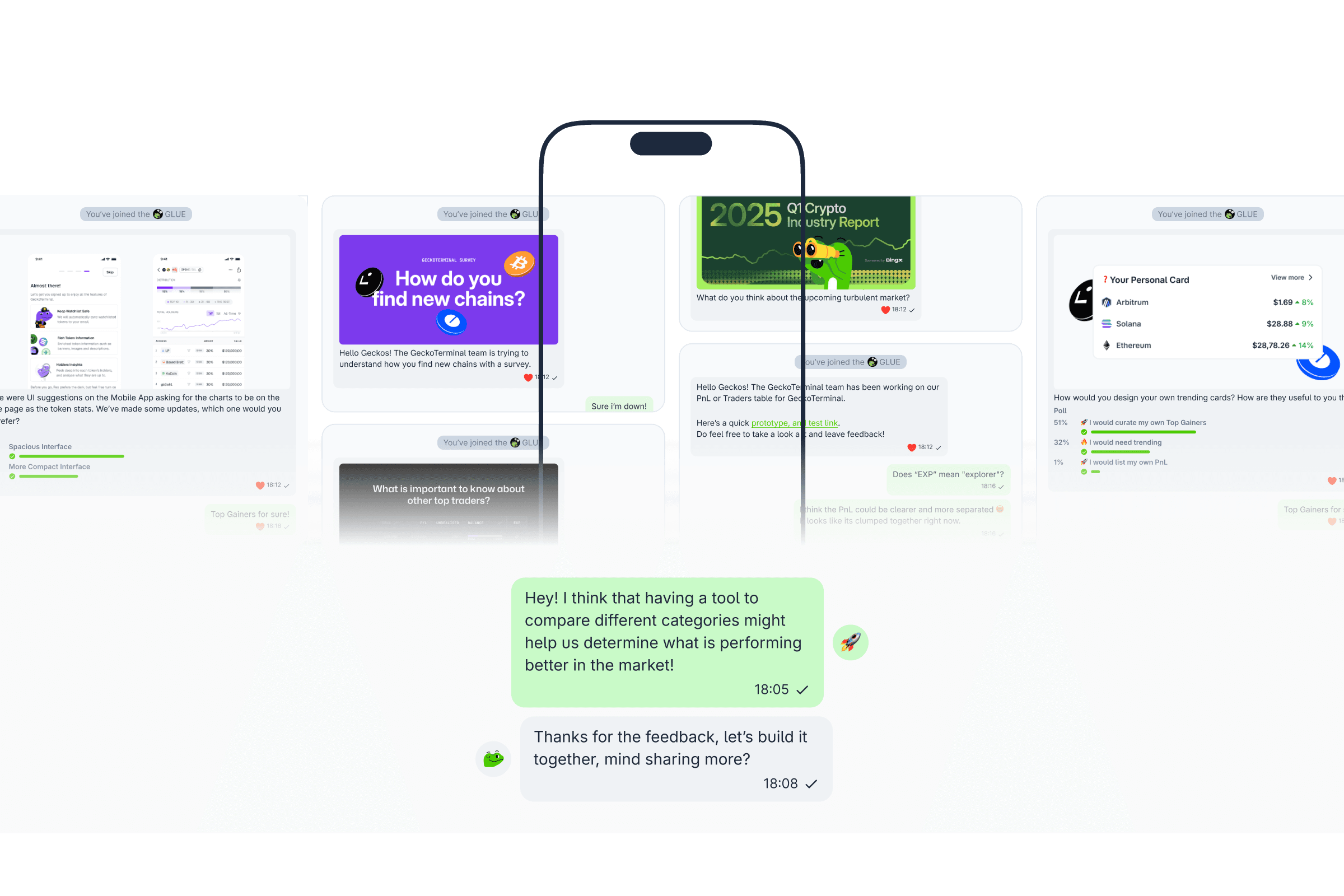
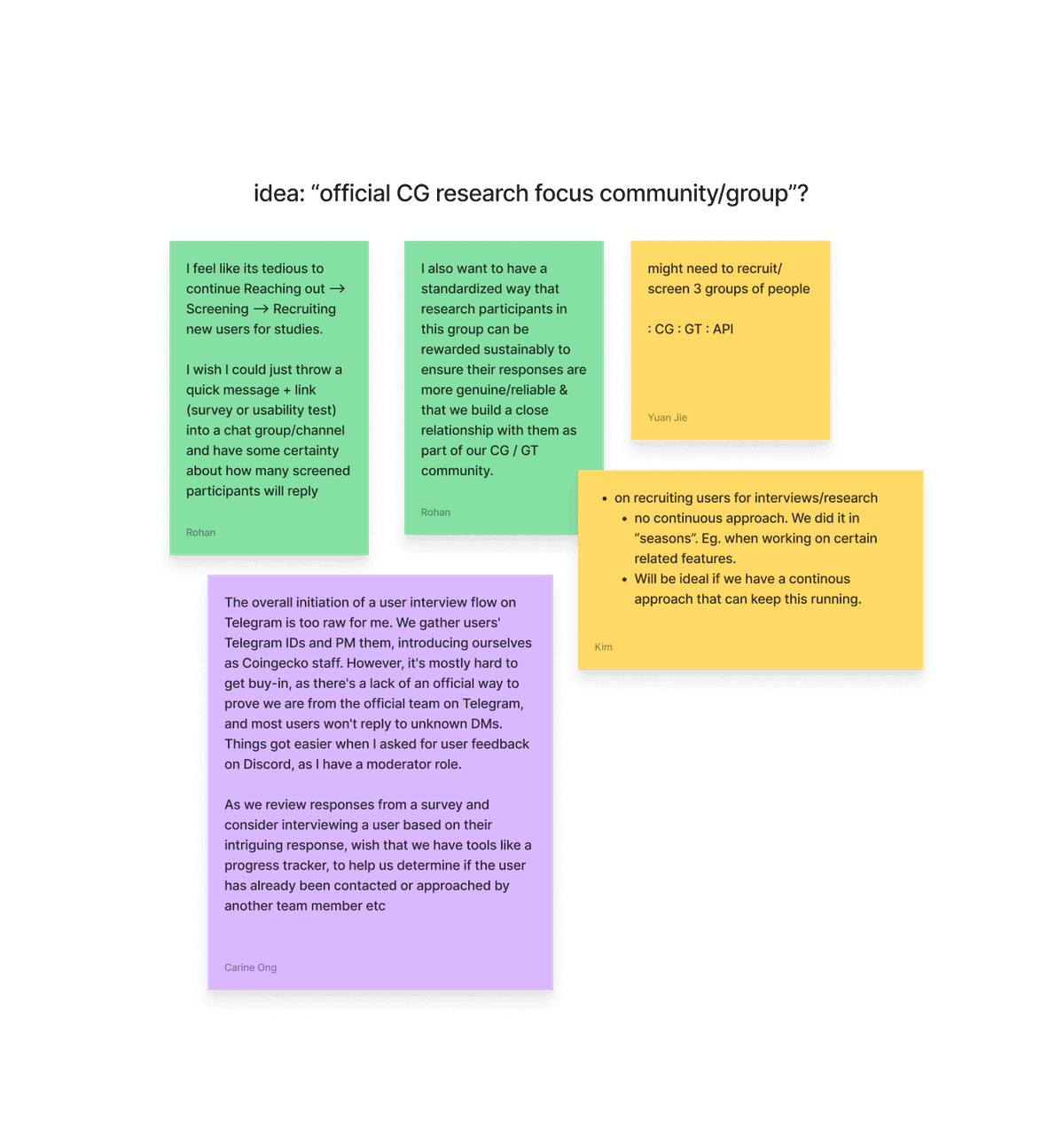
We created GLUE (Gecko Learns from User Experience), a user research panel of traders who regularly give feedback on GeckoTerminal.
Instead of recruiting from scratch for every study, we could drop a quick poll or usability test into the group and get screened responses fast.
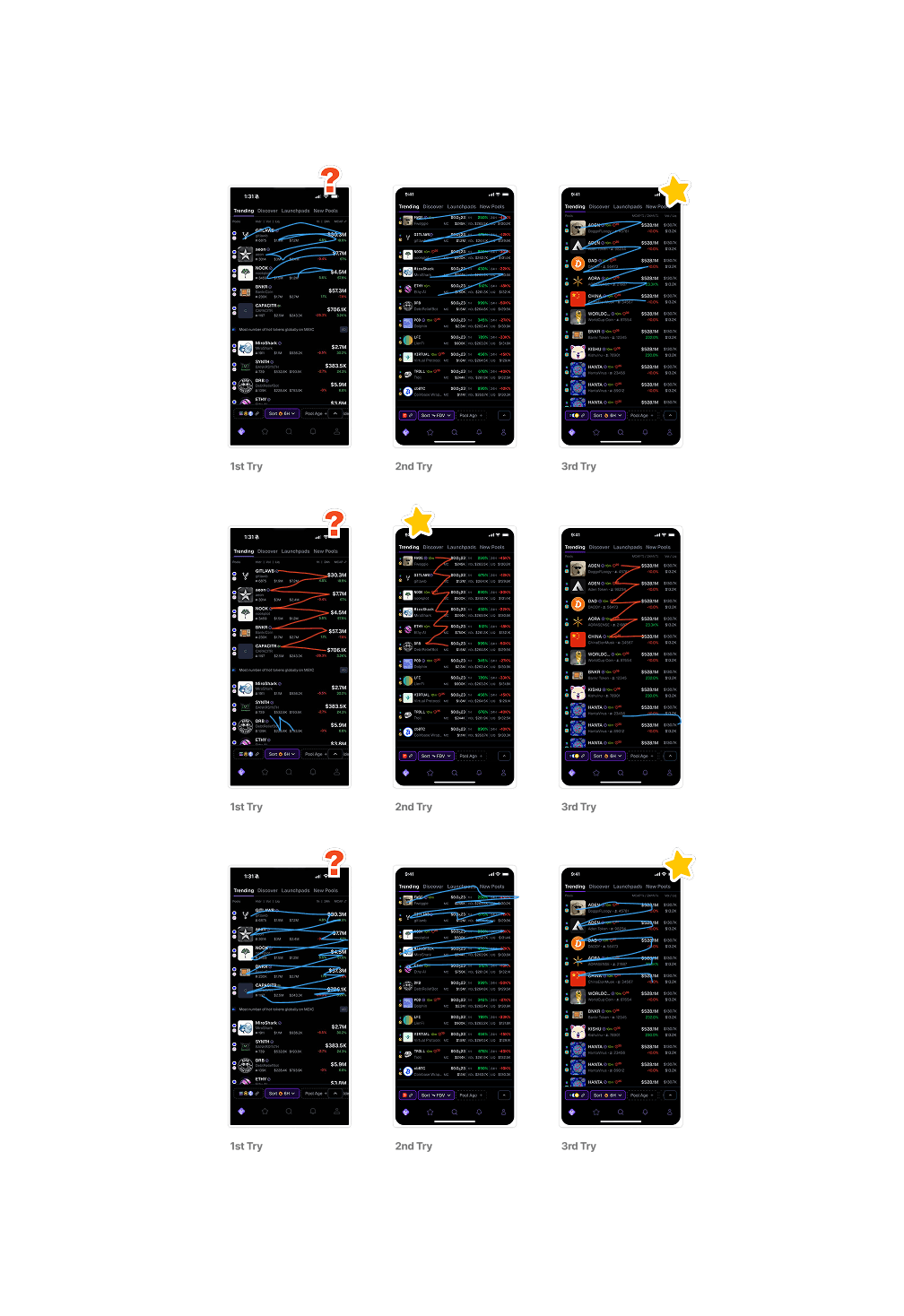
This helped us speed up design iterations and stay close to what traders actually needed.
Community
Our design team grew GLUE to a 100 user panel dedicated to reducing feedback and dogfooding time from a few days, to a few minutes.
The entire product team now relies on GLUE heavily, as one of the most reliable sources of feedback by including them in our internal feature tests. We’ve sped up our feedback loop from 3 days, to 30 minutes.
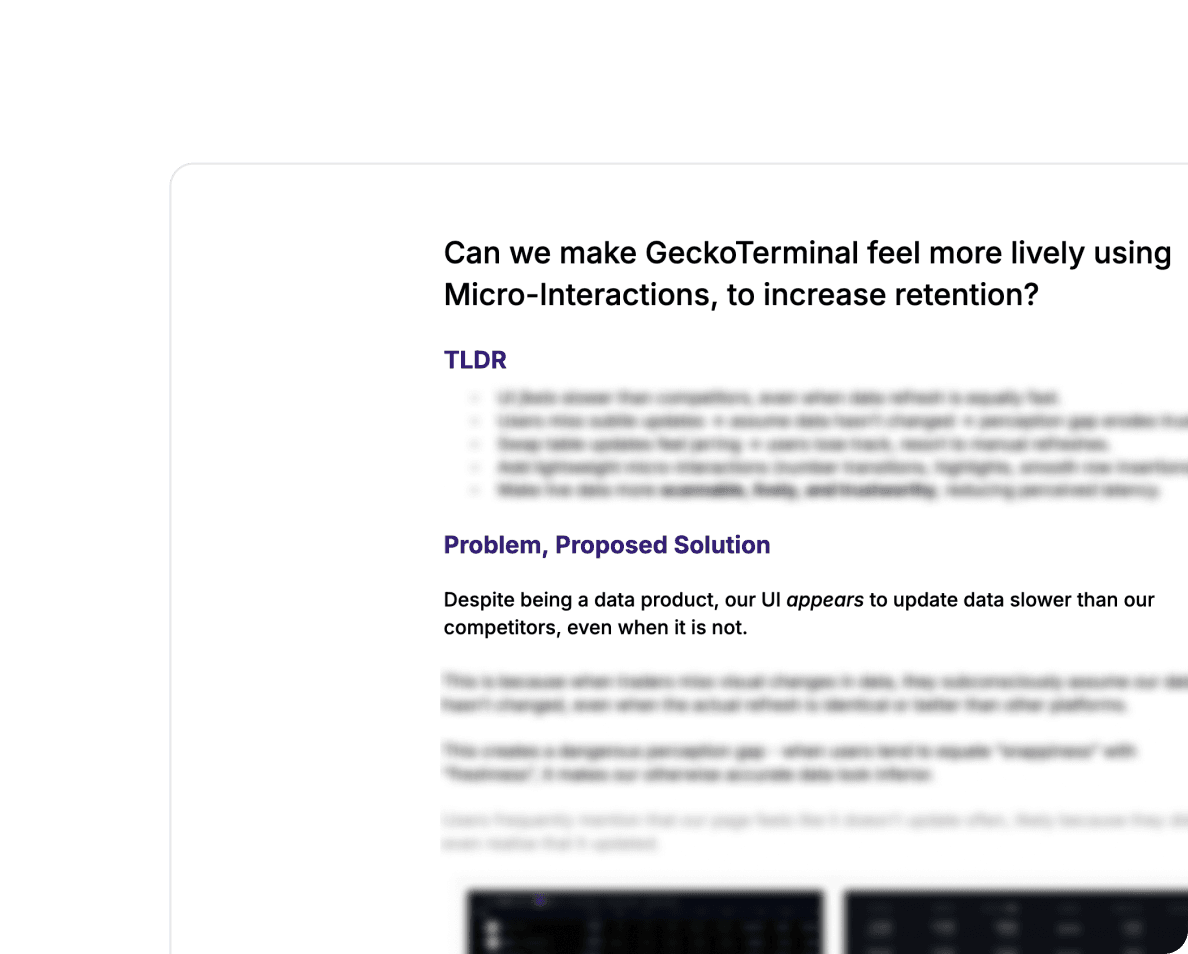
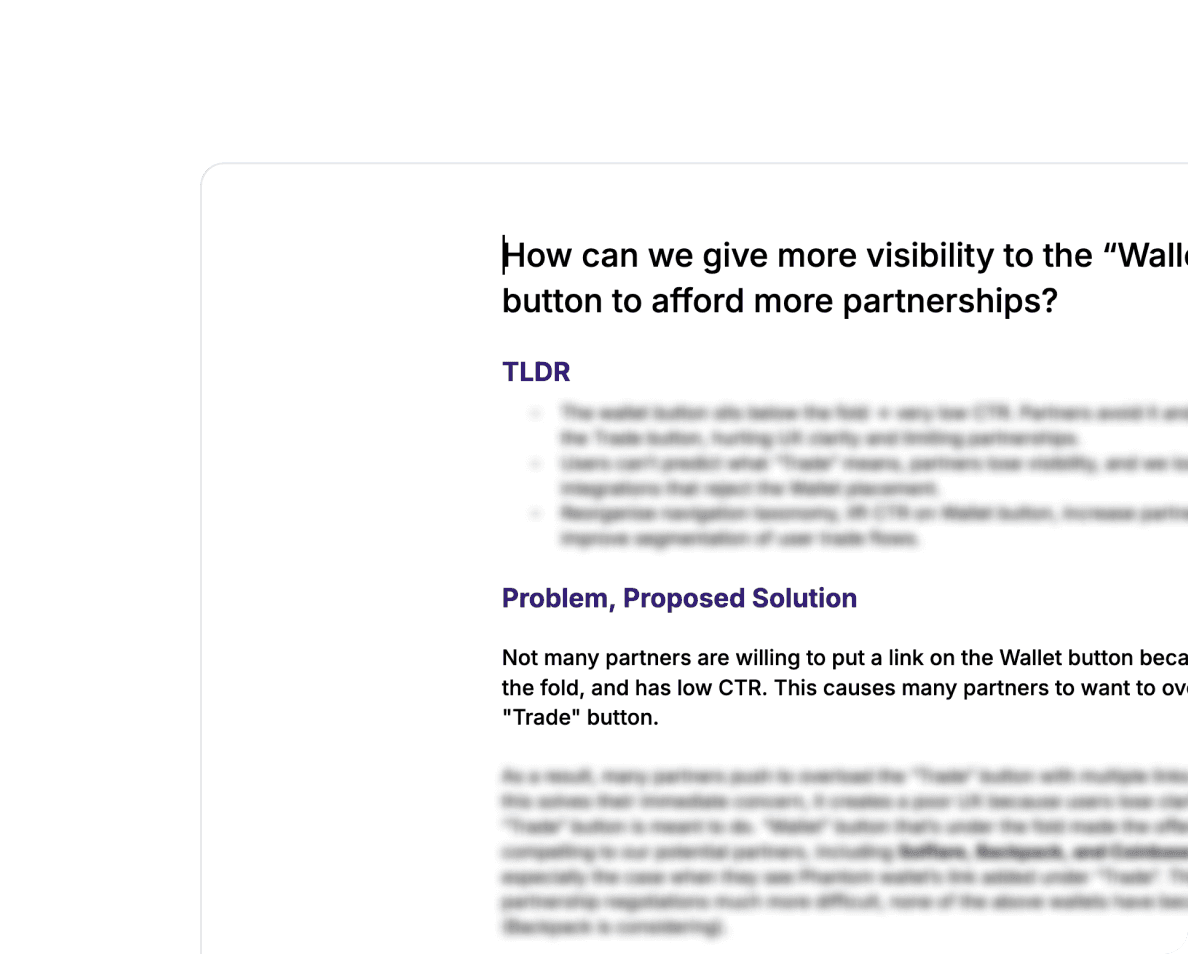
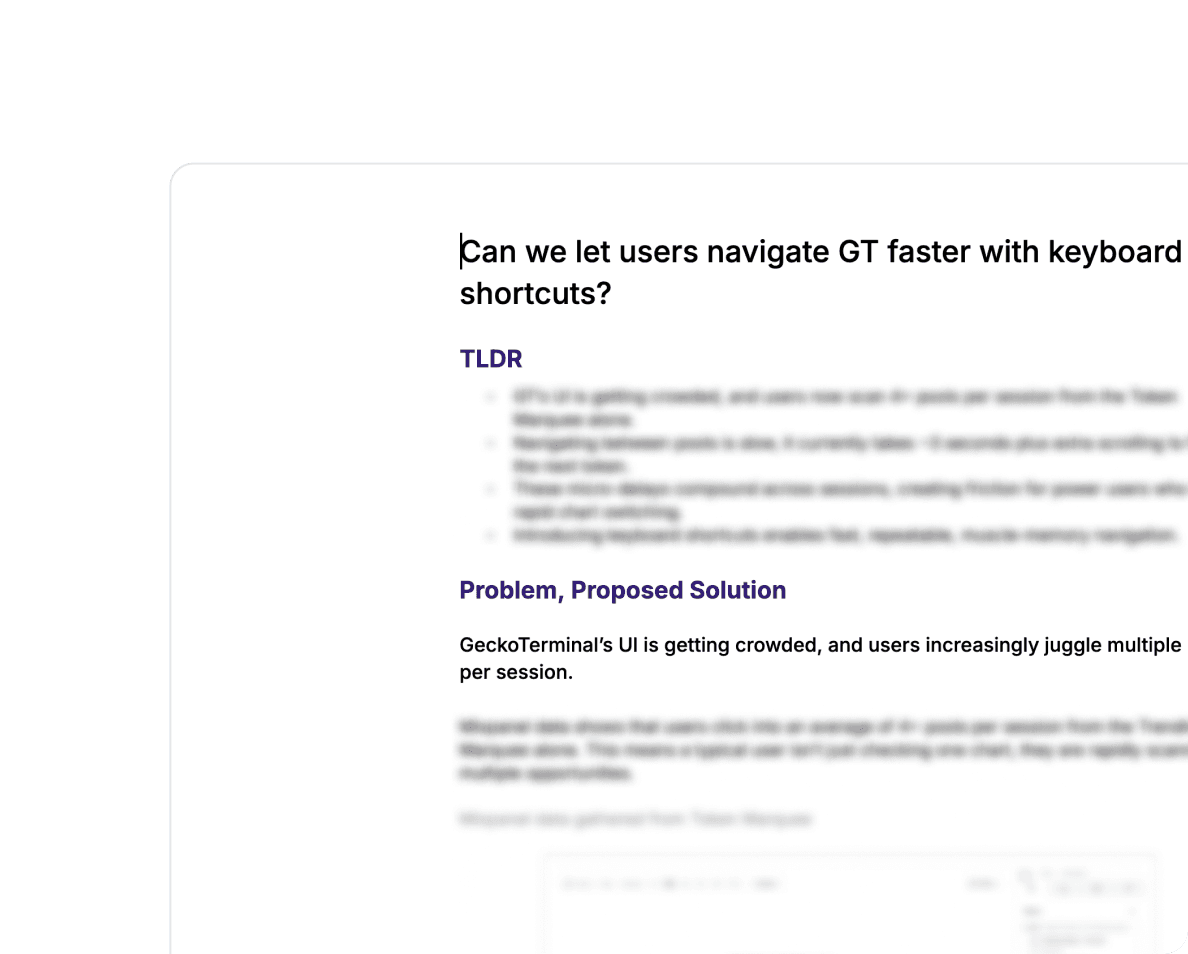
Through that, we also shipped more than 4+ design-led proposals per quarter.
We Learned That
While Neptune, GLUE polls, landing pages, and sharing sessions helped the team make better design decisions, they also introduced more operational work for a small design team.
For a design system managed largely by one designer, every improvement came with follow-ups: maintaining components, gathering feedback, updating documentation, aligning engineers, preparing sessions, and making sure the system continued to scale across product surfaces.
This created a new type of dynamic. Some teammates felt these initiatives helped the team move faster and stay aligned, while others felt they took time away from deeper craft.
In other words, the design system was improving the direction and quality of our work, but it also revealed a new bottleneck: design operations had to scale alongside design craft.
