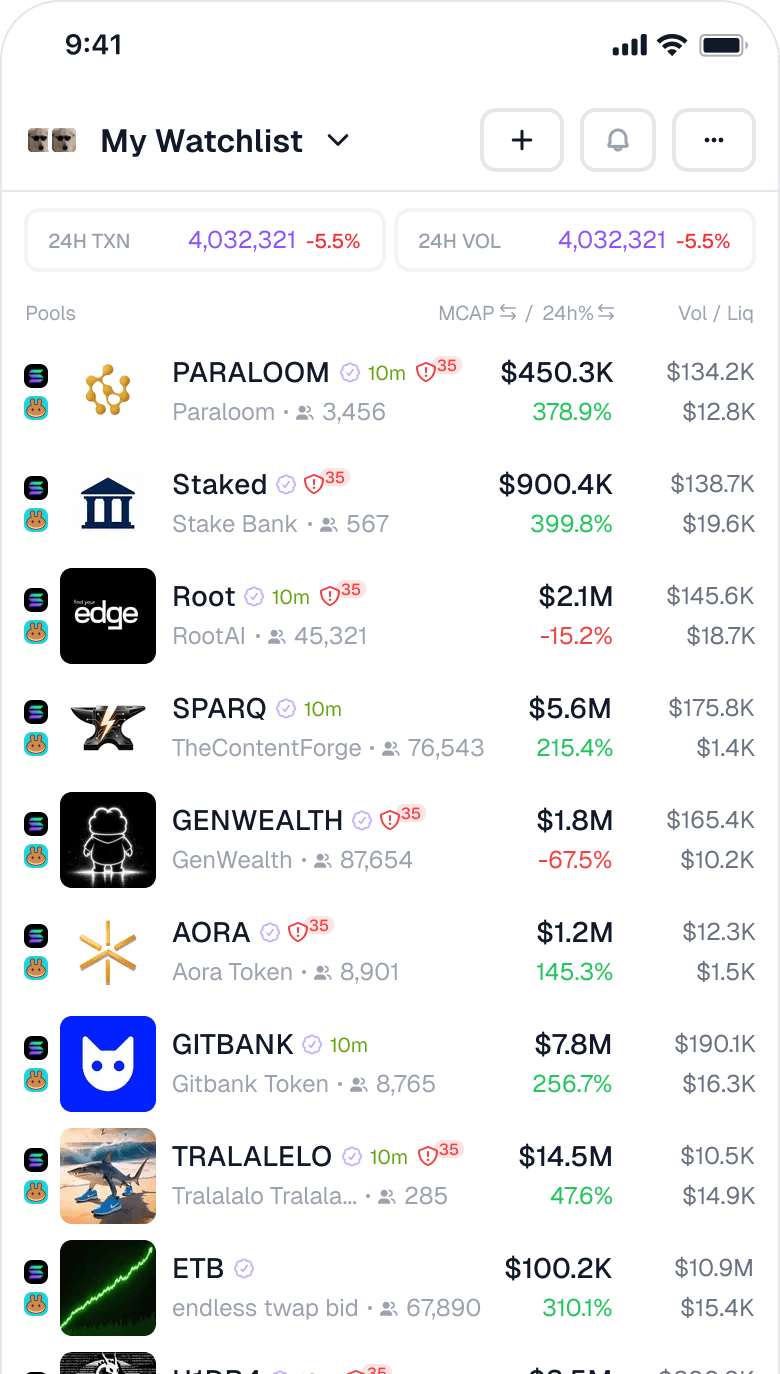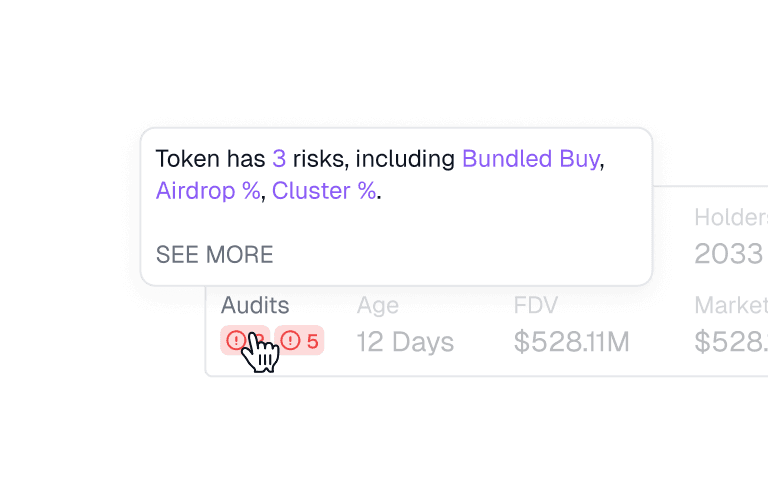
Security features that prevent 200,000+ users from falling into crypto scams every month.
Feature
 CoinGecko · 2023 - Present
UX Research
UI Design
Prototyping
Yuan Jie · Product Designer
Tiong Woon · Product Lead
Rachel · Software Engineer
Sammie · Mobile Engineer
Grace · User Researcher
Outcomes
Security features that prevent 200,000+ users from falling into crypto scams every month.
Feature
Shipped core trader features that increased Day 10 retention by 17%.
Feature
Design-led discovery features that increased usage frequency by 80%.
Feature
Introduction
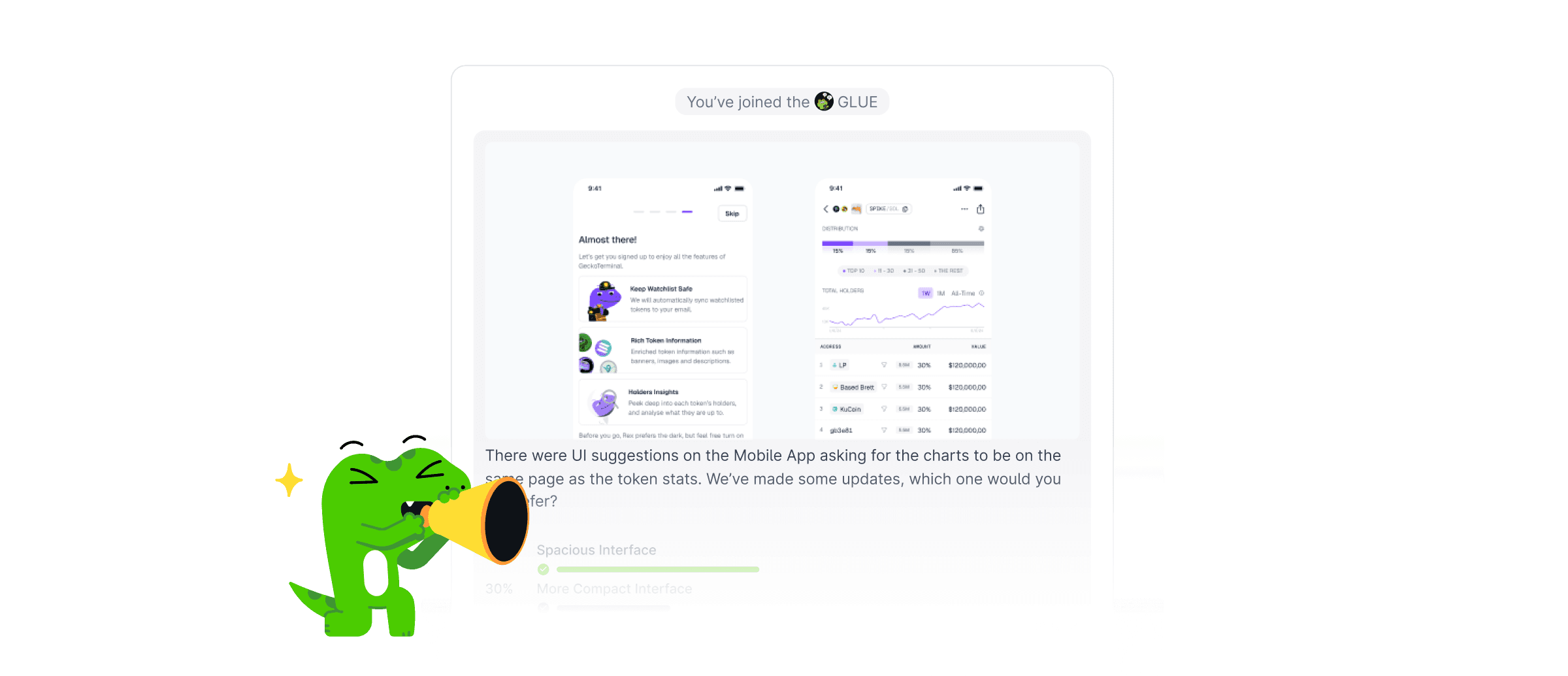
In the initial months, the CoinGecko design team built GLUE, led by Grace, our User Researcher.
GLUE became a user research panel that grew to 200 members and shortened our feedback loop from days to minutes. This brought the product team closer to our users and established a stronger habit of grounding design-led initiatives in continuous research.
With this foundation in place, we began studying trader behaviour more deeply-identifying recurring habits, signals, and decision-making patterns, then turning the most valuable insights into product features.
And that's how
Together with Grace, we've done around ~20 UXR projects till date. Here are some interesting observations we've observed through the years.
 GLUE
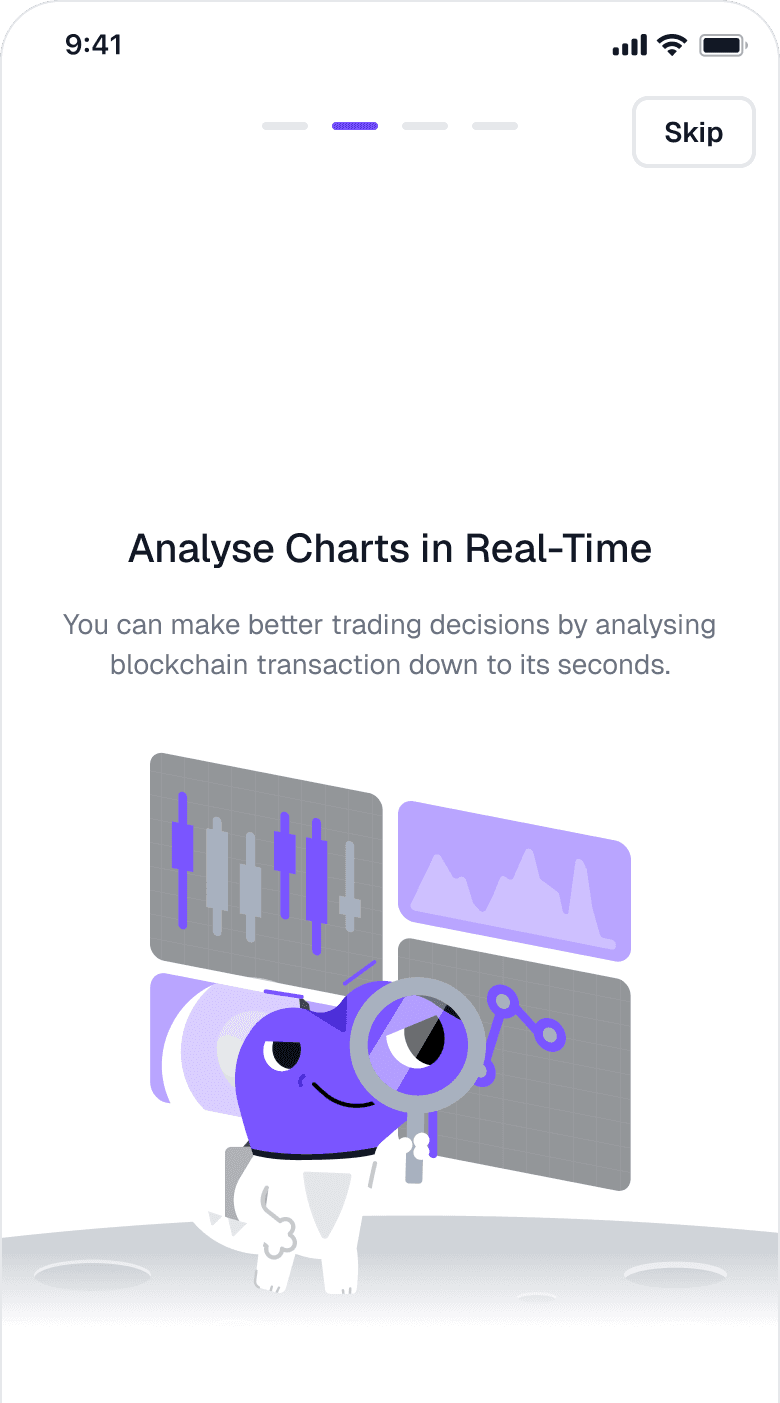
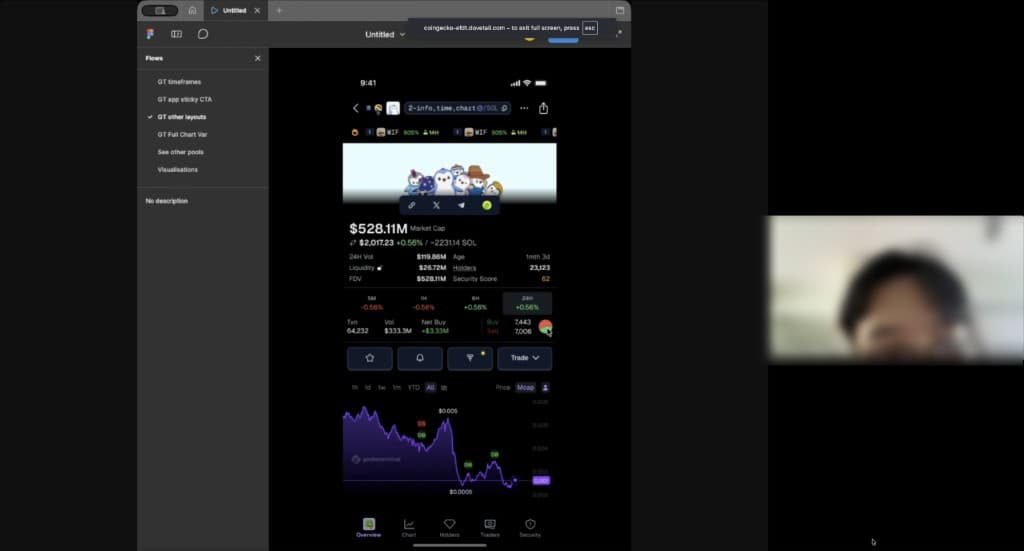
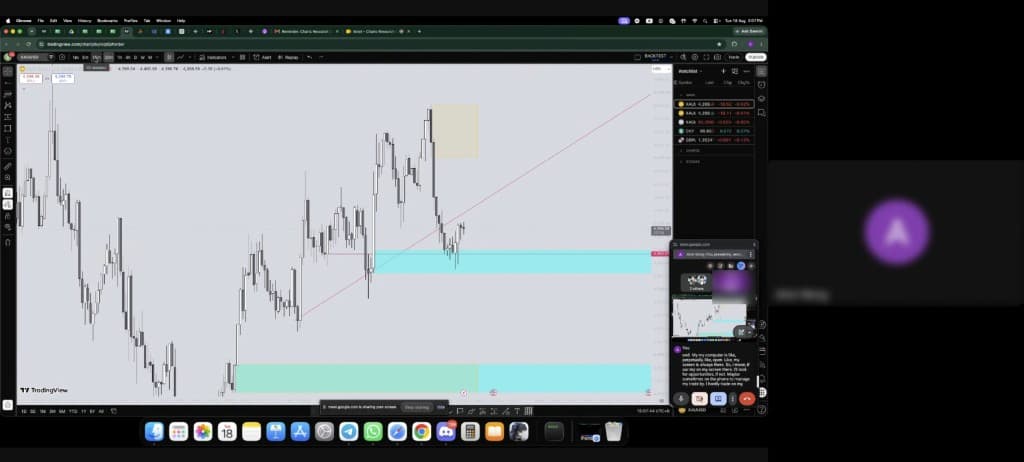
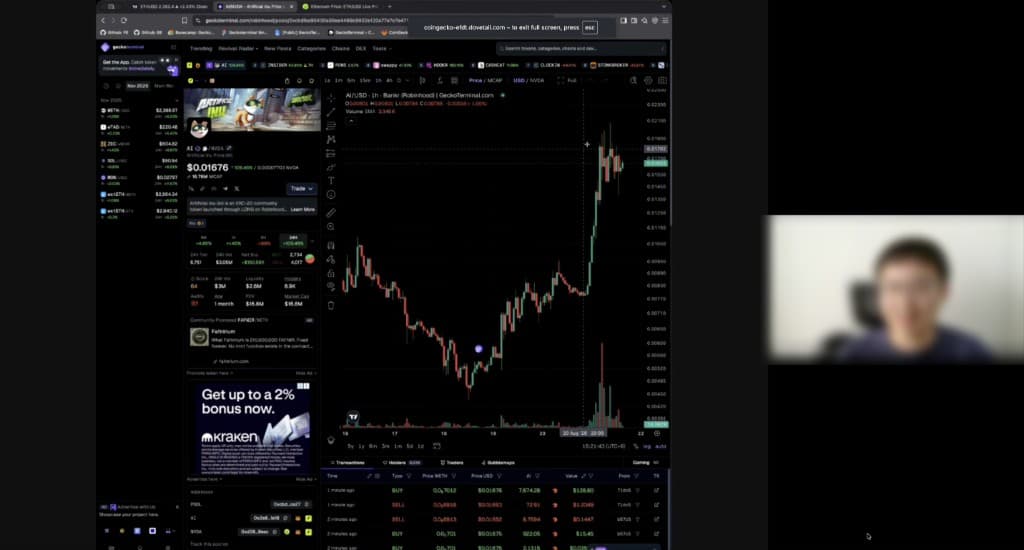
GLUEOur typical user interview sessions include observing how users see and use charts.
 GLUE
GLUETraders actively avoid the Trending tab because it was known as being “late”.
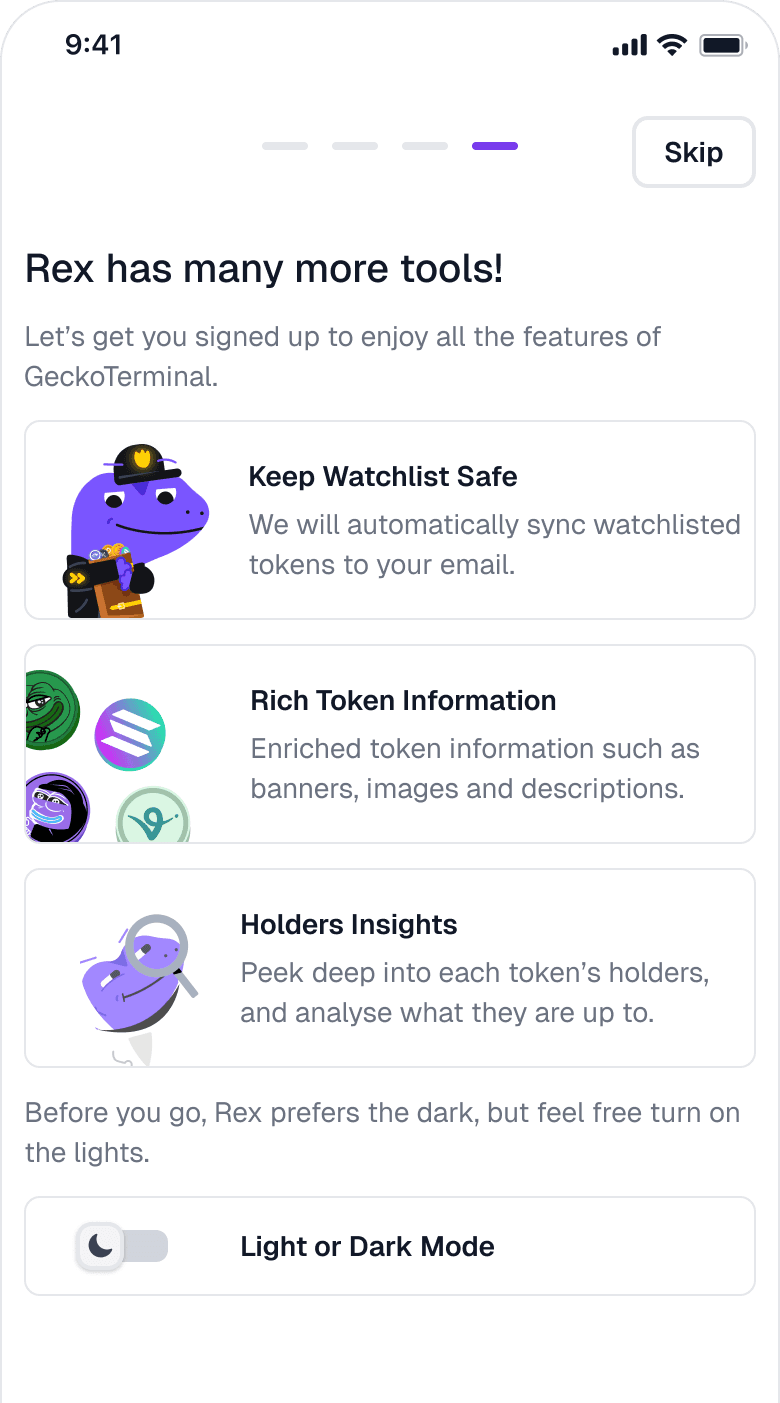
GLUEWe often asked our user panel to try high fidelity prototypes that mimic the real app.
GLUESecurity indicators became a retention anchor because of the rampant amount of scams in crypto.
GLUENarrative-first buyers use GeckoTerminal as a trusted data layer in a token discovery journey.
🔮
We learned that
Through these conversations, we learned that traders build confidence through a combination of intuition and experience. Much of this comes from understanding how other traders behave.
Who is buying, who is selling, and what they might do next. In many ways, trading is an exercise in reading signals and predicting the next move.
Learning that, our goal at GeckoTerminal was to help traders become better ‘fortune tellers’ by making on-chain behaviour faster and easier to understand.
By visualising these signals more clearly, traders could spot risks earlier, avoid potential scams, and make more informed trading decisions.
Across 6 recurring behaviours, we translated how traders assess confidence, detect movement, evaluate risk, and compare options into clearer product experiences across GeckoTerminal.
Click on each of the cards to discover the feature that we shipped.
Holder Breakdown

Transaction Table
Developer Information

Category Rank Badges

Pool Page UI/UX

Pool Page UI/UX

Price Alerts
Sidebar Redesign
Trade Dropdown
We learned that
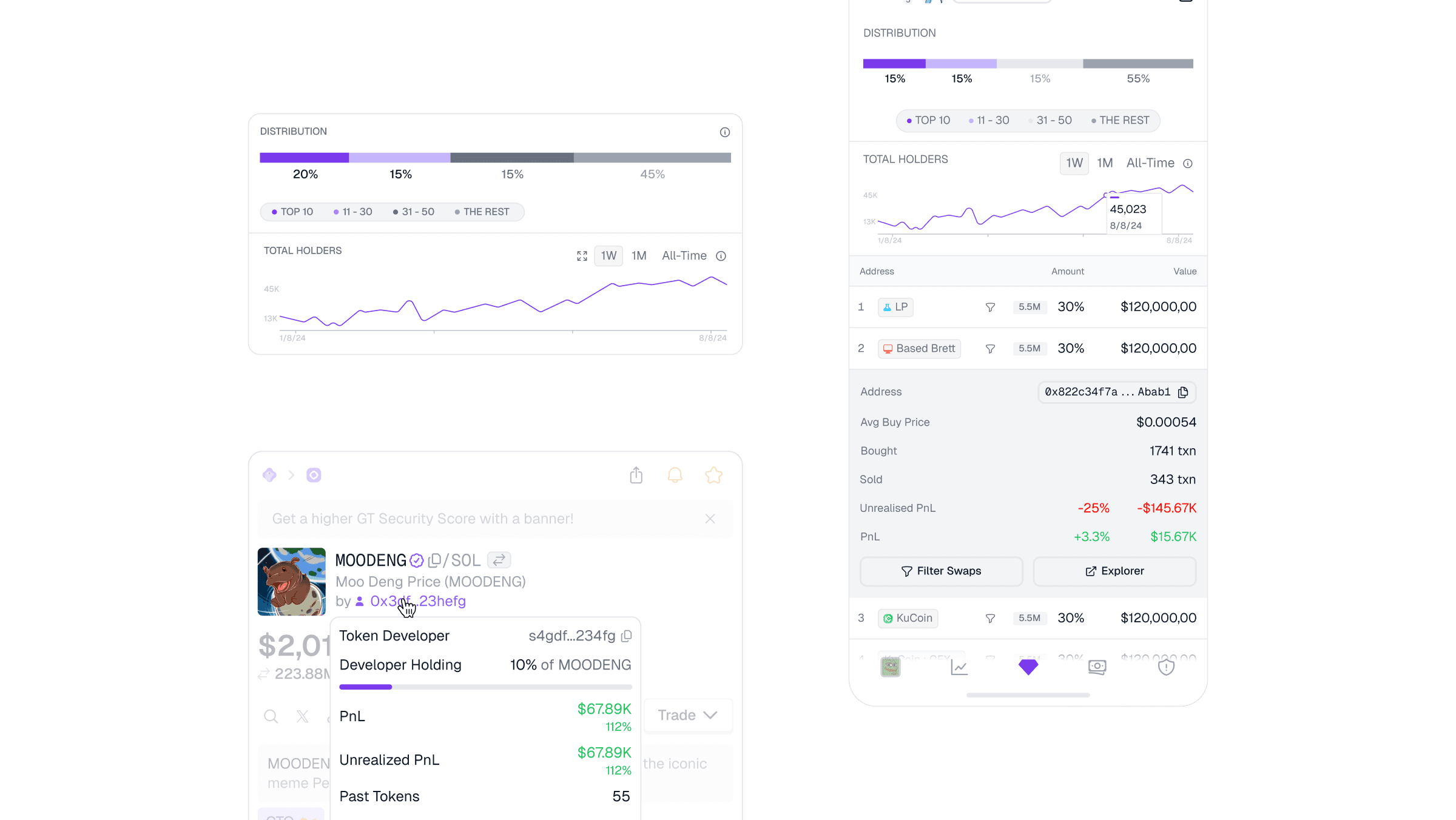
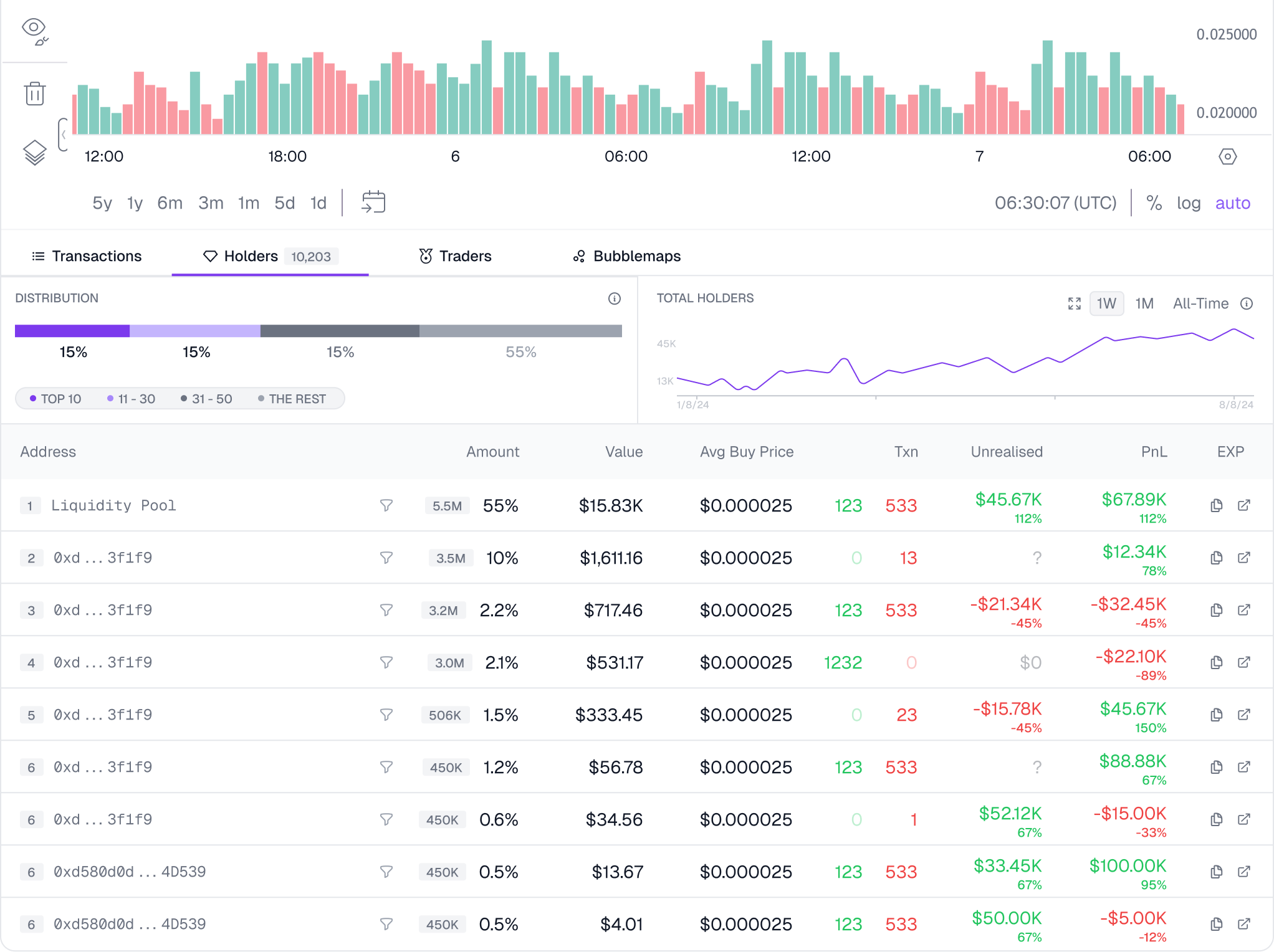
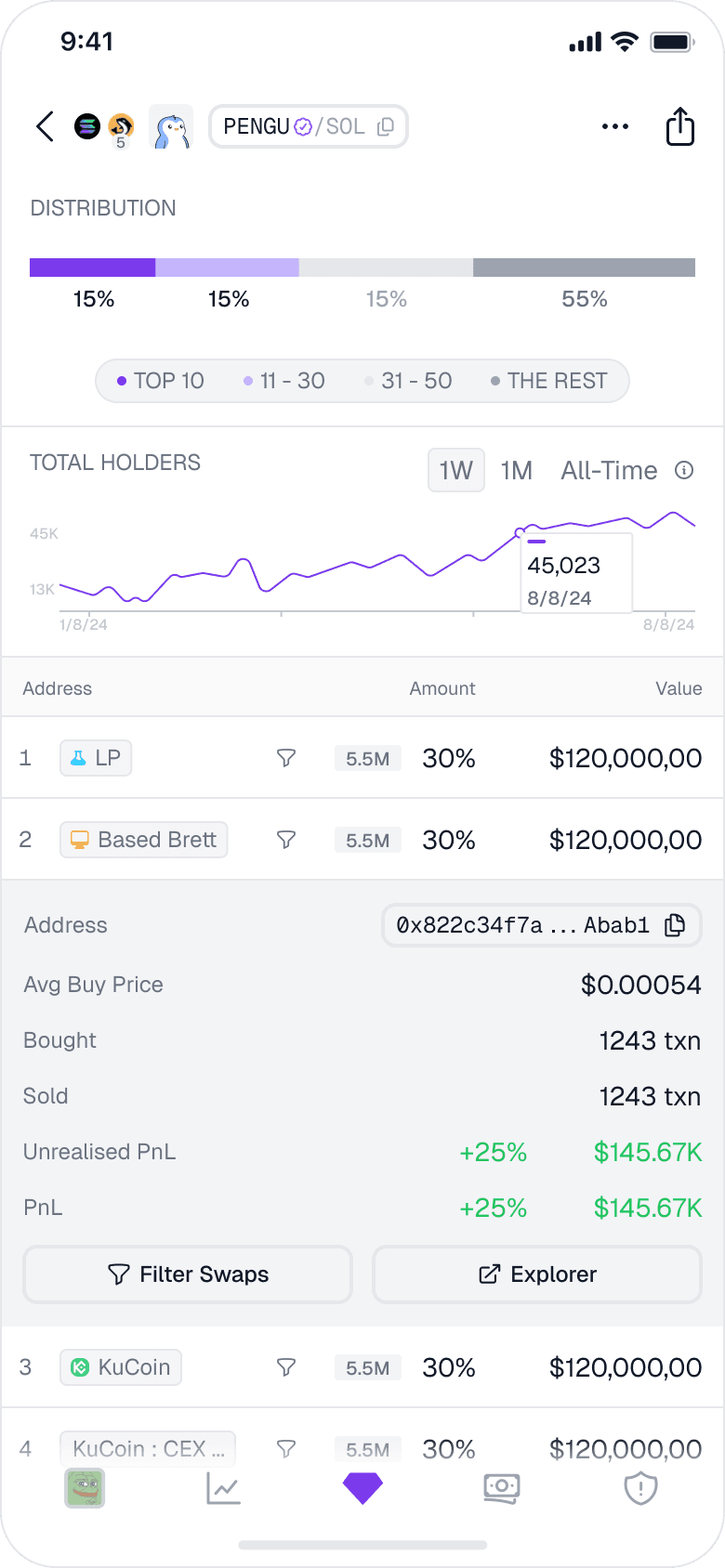
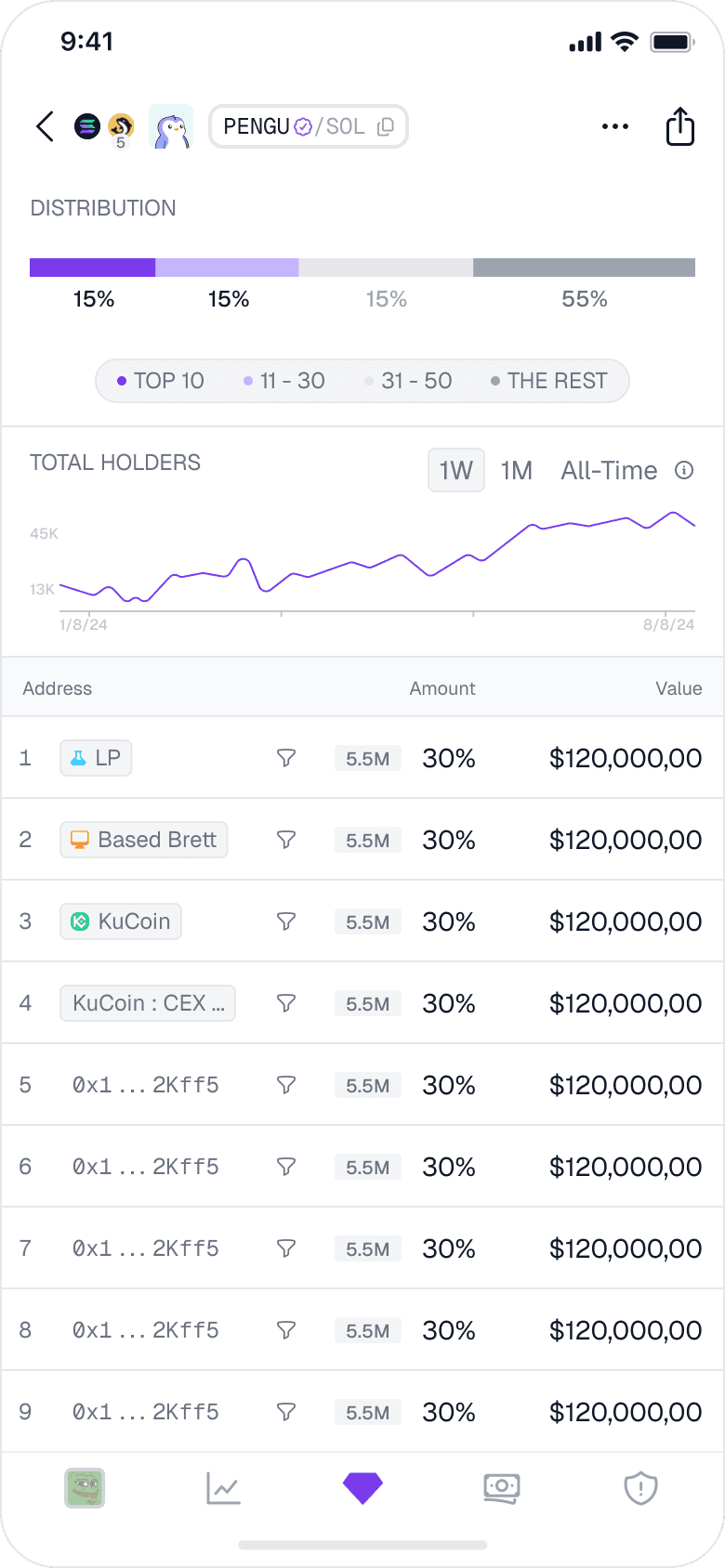
Traders needed a way to determine whether a token's price growth was supported by a genuine community or concentrated among a small number of wallets.
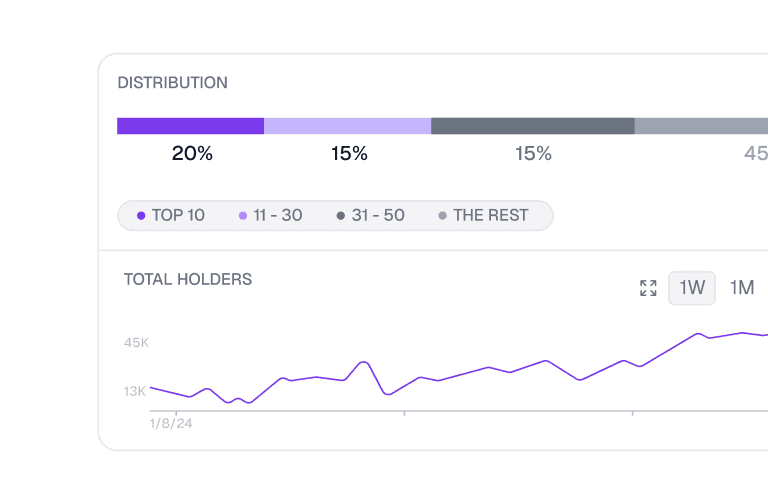
We found that holder count and token distribution could serve as useful signals of community conviction. When more people continued holding through periods of volatility, and ownership became less concentrated, it suggested that interest extended beyond a handful of large wallets.
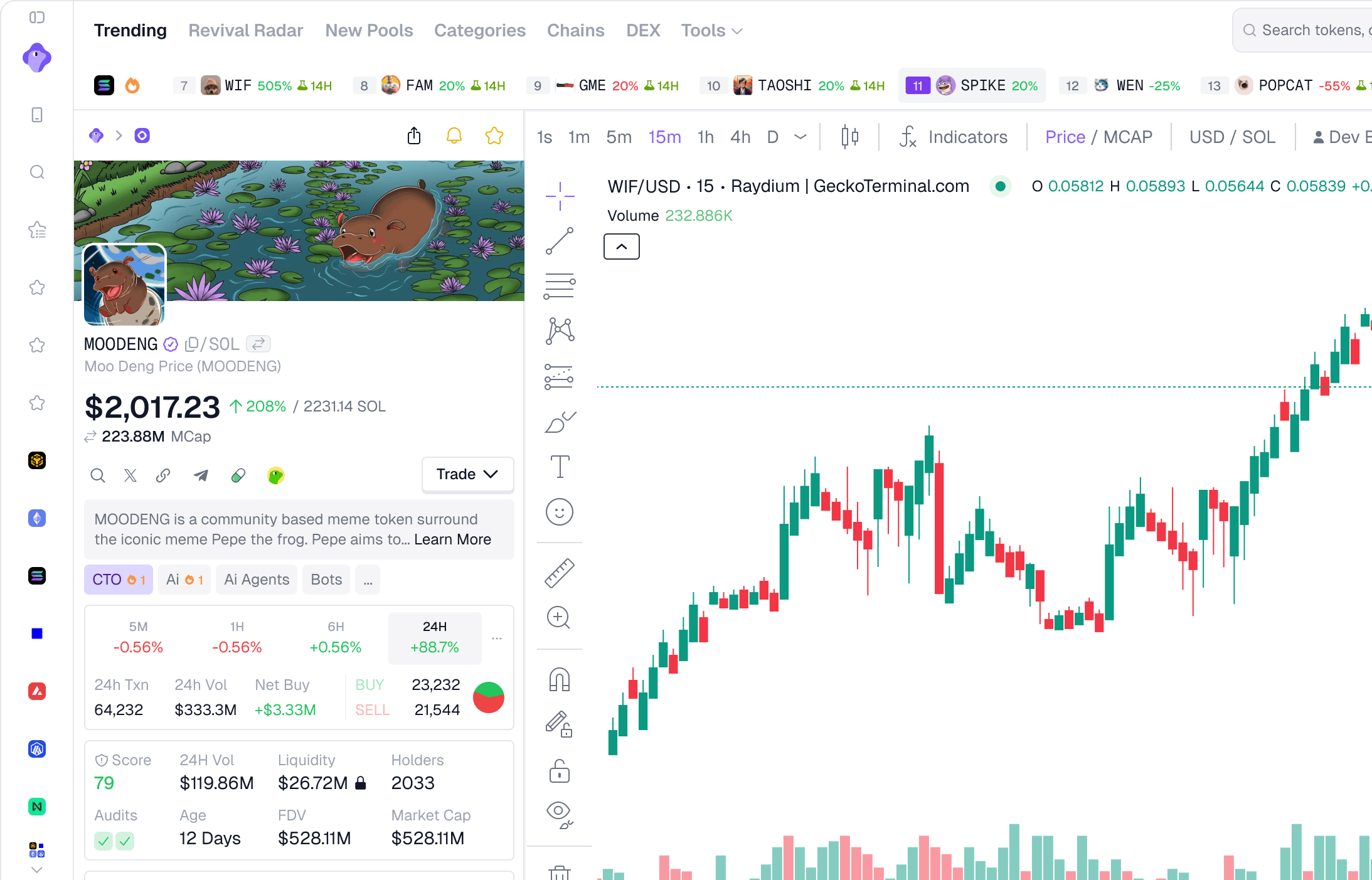
This insight led us to build the Top Holders tab, including a cumulative holder chart that visualises how a token's community grows over time. This tab lived directly below the chart in our pool(token) page.
We also then introduced the MCAP/HLDR metric, helping traders quickly compare a token's valuation against the size of its holder base.
We learned that
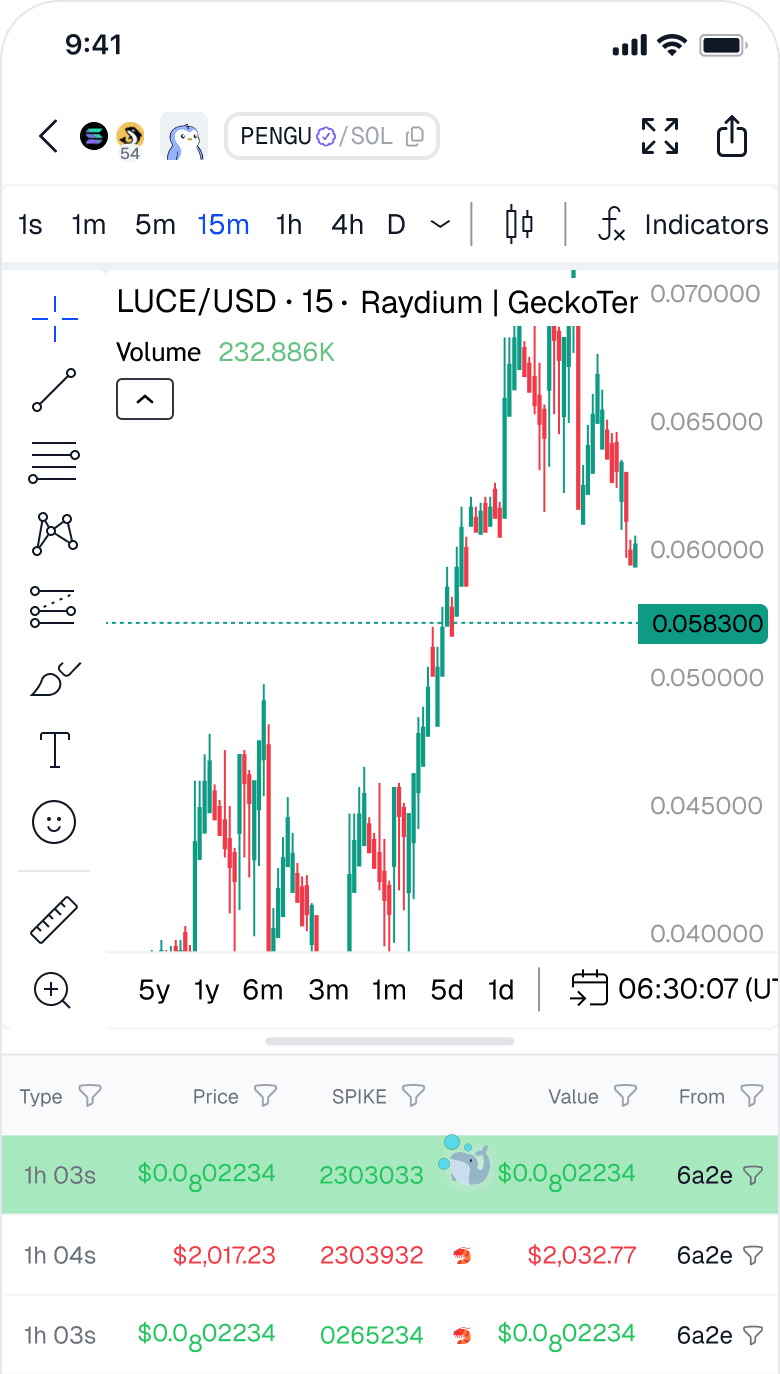
When traders focused on the price chart, they paid much less attention to the stream of individual transactions. Yet they still wanted to know when a large buyer or seller entered the market.
We then designed micro-interactions around those behaviour. For example, red and green swap table flashes, and a whale animation to make significant transactions noticeable without diverting attention from the chart.
As we soon realised, one frequent quote from them was “I don't like to scroll anywhere else from the chart”.
Together, these improvements increased our perceived design quality score (we run these quarterly) by 20%. You can read more about them in my dedicated case study for micro-interactions.
We learned that
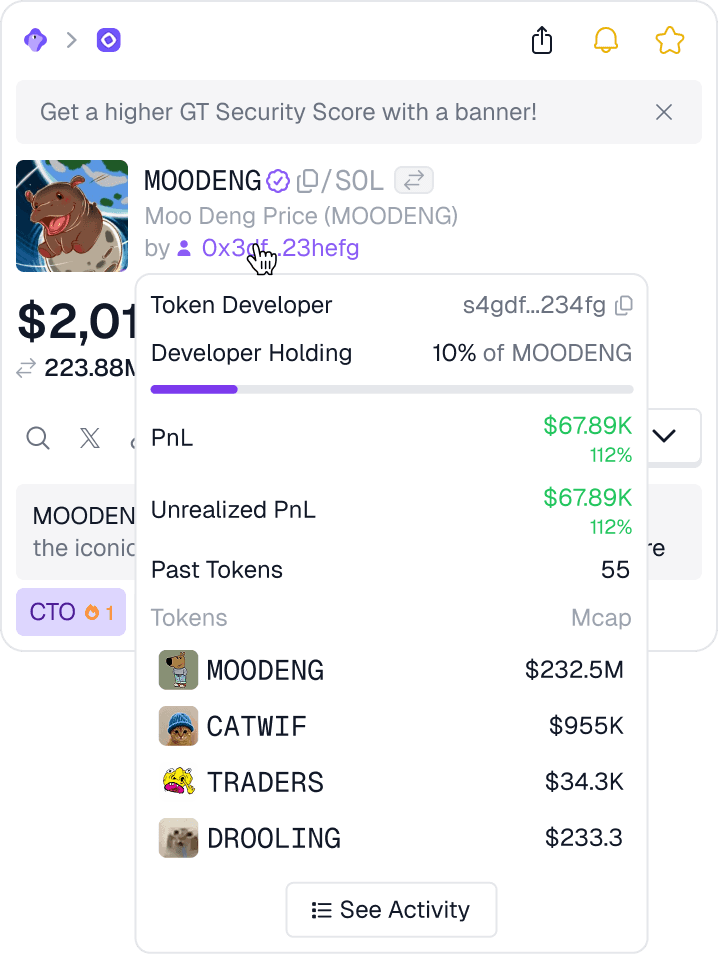
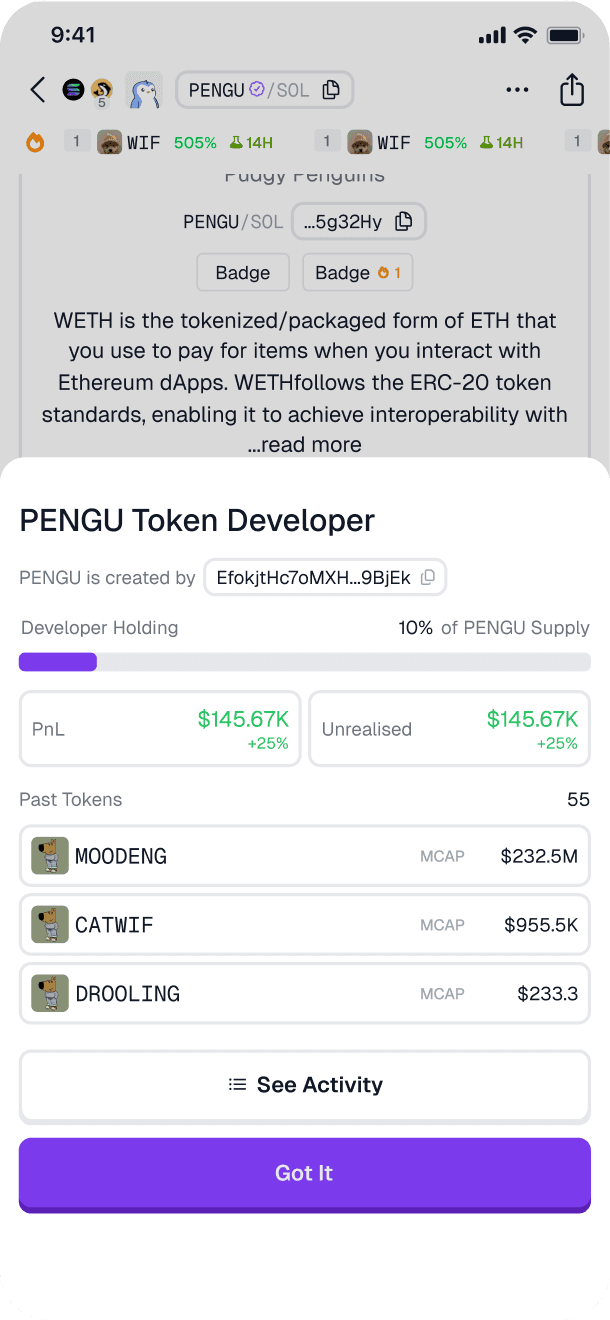
With tens of thousands of new tokens launched each day, traders cannot assess every project from scratch. Instead, they often use the creator's previous activity and reputation as a signal of whether a token can be trusted.
Hence, we introduced the token creator's address and past launches directly within GeckoTerminal, helping traders identify recurring creators, investigate their track record, and spot potential risks more quickly.
We learned that
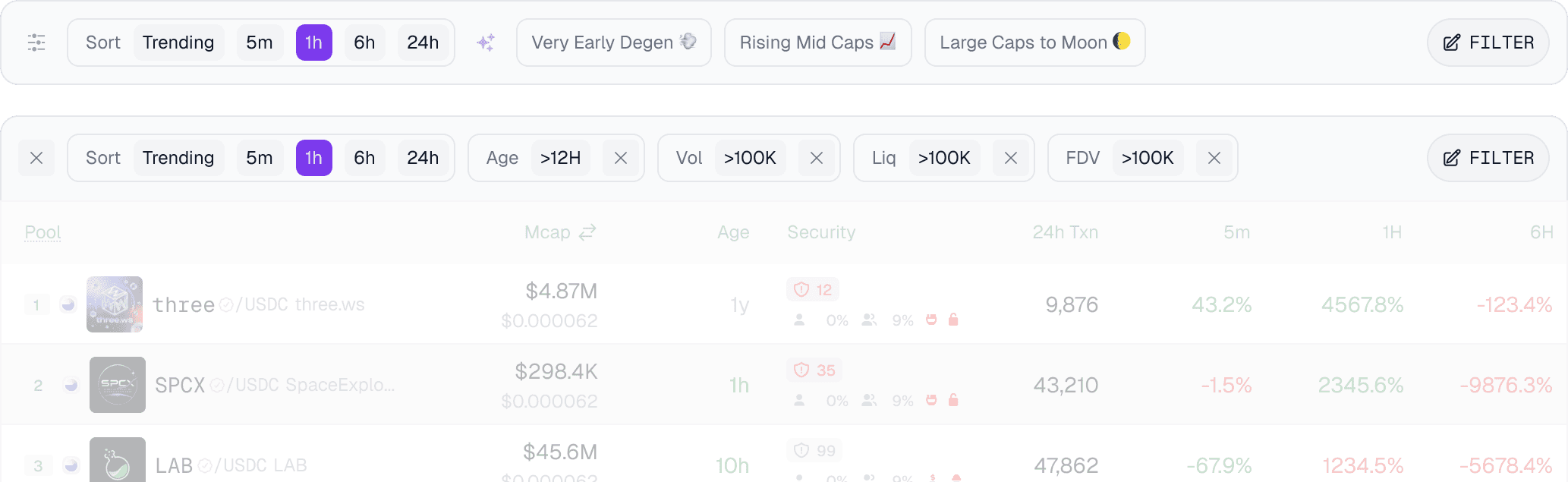
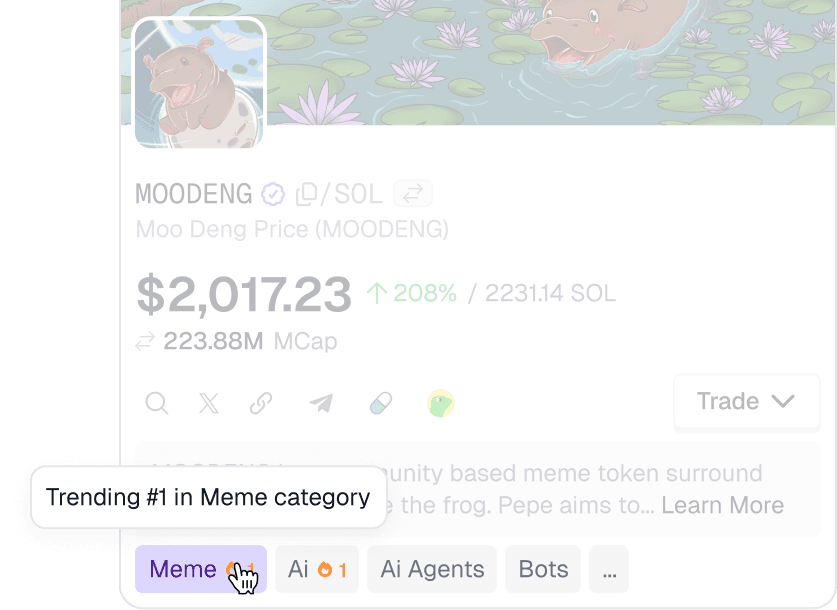
Traders interpret popularity through different signals, from a token's rank within a category to how often it appears across the market.
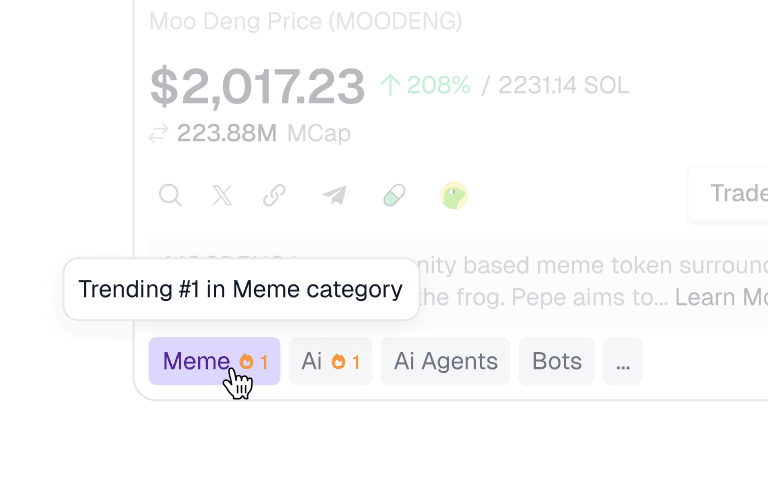
To accommodate this behaviour, we provided signals through Category Rank Badges, the Token Marquee, and Megafilter Quick Presets, helping traders spot noteworthy tokens and explore emerging opportunities faster.
These category-specific rank badges make notable tokens easier to recognise and share.
After launch, the frequency of category badge usage increased by 80%. The Megafilter Quick Presets also became one of our most used feature in GeckoTerminal.

We learned that
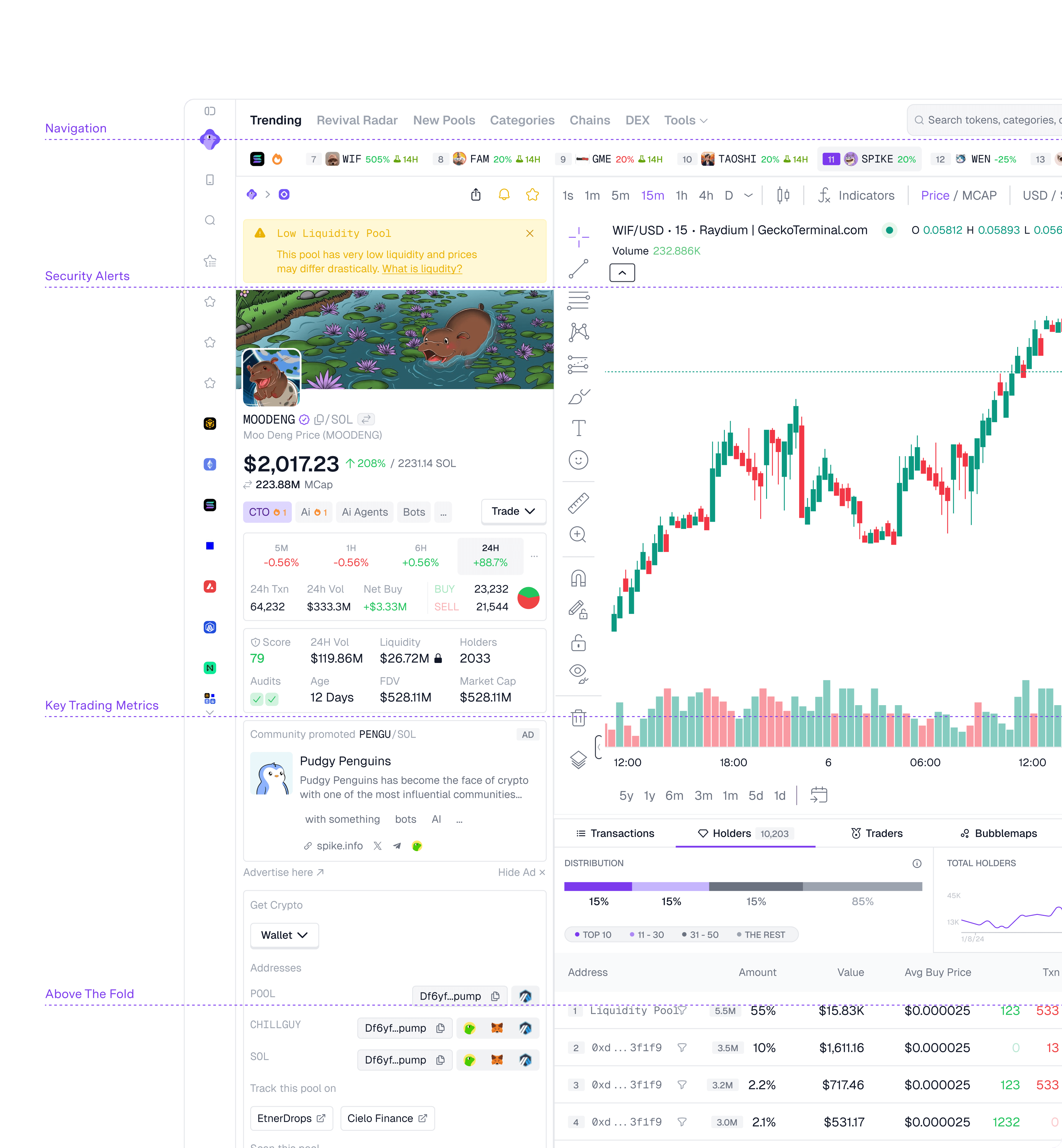
As GeckoTerminal gained more features, we noticed that competitors often prioritised releasing more information without considering where it appeared or how easily traders could find it. Through usability studies, we continuously refined our design strategy: add more information without losing sight of what matters most.
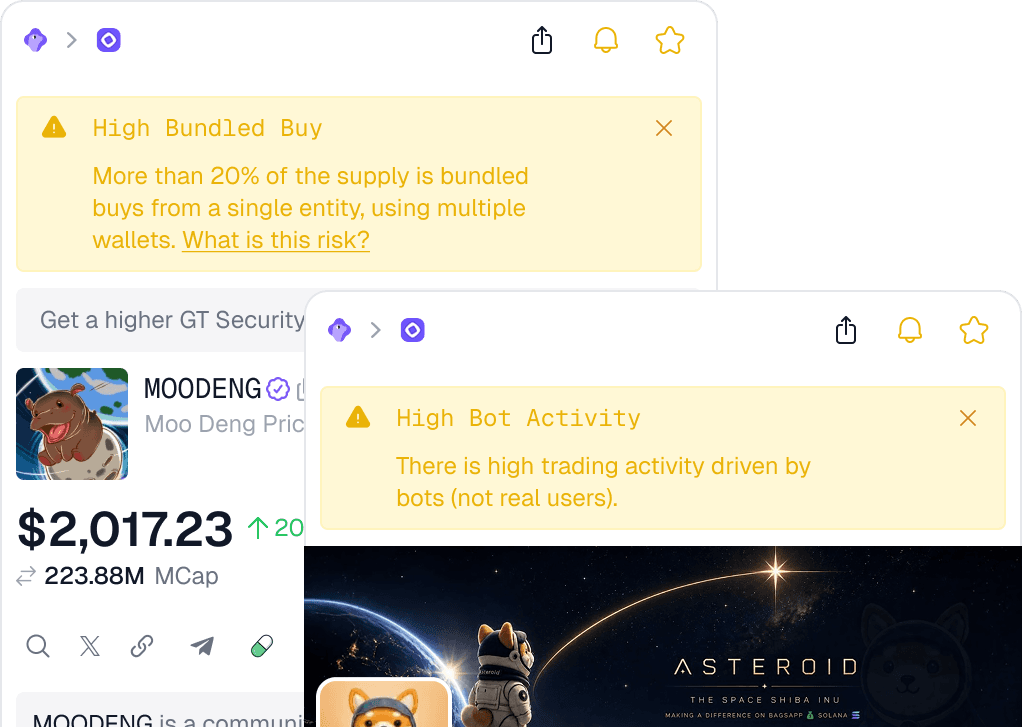
We found that traders expected critical risks to be visible before making a trade. We therefore surfaced red flags above the fold and created multiple contextual entry points to trust and security information across the pool page.
We learned that
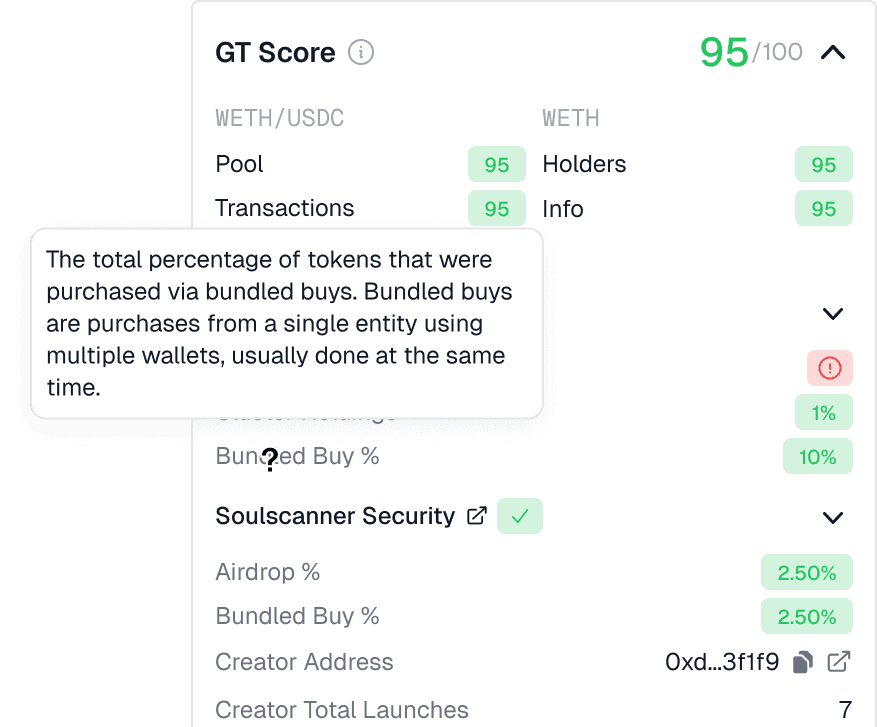
Crypto interfaces are filled with unfamiliar terms, abbreviations, and metrics that can slow traders down. We made these concepts easier to understand through clearer platform labels, contextual tooltips and popovers, and more explicit metric controls for values such as Market Cap, FDV, and Price. This helped traders understand what each signal meant without leaving their trading flow.
Reflection
Across features such as the Top Holders tab, cumulative holder charts, MCAP/HLDR, Category Rank Badges, contextual popovers, and clearer trading-platform labels, I learned that traders rarely need more data — they need better ways to interpret it. By turning complex on-chain information into clearer signals, we helped traders recognise risk, understand market behaviour, and make decisions with greater confidence.